Deciding to relocate a business is a pivotal strategic move that influences operational efficiency, brand identity, and long-term financial health. Often, the signs that a facility is no longer adequate manifest as subtle frictions: a slight lack of storage, rising utility costs, or a layout that no longer supports modern workflows. However, waiting until a building becomes a total hindrance can result in lost revenue and stagnant growth. A well-timed relocation acts as a proactive step toward a facility that supports current scaling needs and offers the technological infrastructure necessary to compete in a modern market. By recognizing the indicators for a move, leadership can transform the logistical challenge of relocation into a powerful catalyst for organizational renewal and improved employee morale.
Assessing the Need for Additional Square Footage
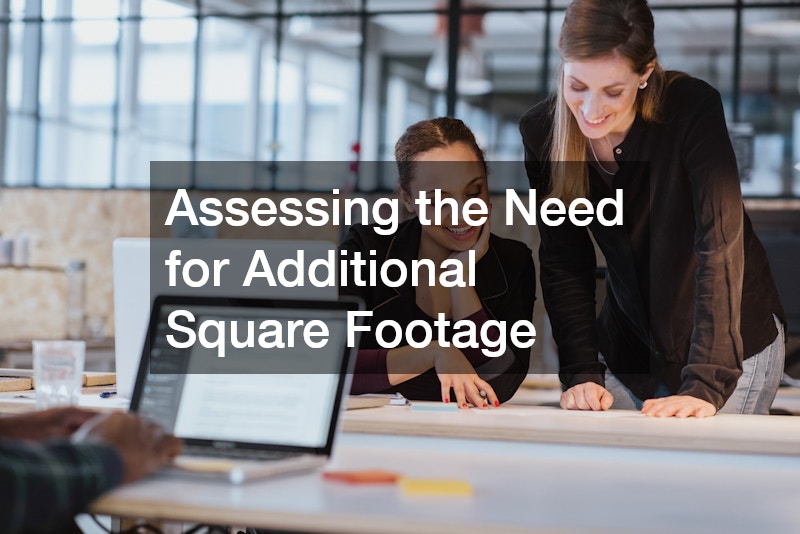
When a company begins to outgrow its physical boundaries, the resulting congestion can quickly stifle productivity and impact worker safety. Overcrowded workstations, inadequate warehouse shelving, and a lack of private meeting areas are clear indicators that the current site is no longer fit for its intended purpose. Scalability is essential for any thriving enterprise; if the physical environment cannot accommodate new hires or increased inventory, the business effectively hits a ceiling that prevents it from reaching its full potential in a competitive landscape.
The logistics of transitioning into a larger space require a disciplined approach to ensure that high-value equipment and sensitive data are transported without significant interruption. Engaging a firm that specializes in commercial moving allows a business to execute this complex transition with minimal downtime and reduced risk of asset damage. These experts understand the nuances of industrial disassembly and heavy-duty transport, ensuring that the new, expanded facility is fully operational and organized from the very first day of occupancy.
Evaluating Outdated Structural and Aesthetic Features
A facility’s condition serves as a silent ambassador for the brand, deeply influencing the perceptions of clients, investors, and prospective talent. Over time, high foot traffic and the movement of heavy machinery can degrade interior surfaces, leading to an environment that feels neglected or behind the times. If the cumulative cost of refurbishing an aging space to meet modern professional standards begins to approach the cost of a new lease, it is often more strategic to relocate to a building that already reflects a contemporary and successful corporate image.
One of the most impactful ways to revitalize a workspace is to prioritize the installation of durable, high-performance materials that can withstand the rigors of daily commercial use. Selecting the right commercial flooring for a new location ensures that the environment is both visually impressive and functionally resilient, whether the space serves as a retail showroom or a high-tech laboratory. Moving into a facility with updated, low-maintenance surfaces reduces long-term operational costs and creates a more professional atmosphere that enhances the overall brand experience for everyone who enters the building.
Analyzing Limitations of the Current Site Layout

The physical flow of a building significantly dictates the speed and accuracy of daily operations, making a disjointed layout a major liability for a growing company. When a facility’s footprint forces inefficient movements—such as separating the production line from the shipping hub or isolating collaborative teams—the resulting waste of time translates directly into lost profit. If the current structure cannot be reconfigured to support modern Lean management principles, relocating to a facility designed for your specific industry requirements becomes a strategic necessity for maintaining a competitive edge.
In many high-growth scenarios, the most effective way to secure an optimized layout is to seek out a location that allows for custom development or modular expansion. Exploring available commercial land for lease gives leadership the freedom to design a site that aligns perfectly with their unique logistical needs rather than settling for the limitations of a legacy building. This approach ensures that every square foot of the property is utilized to maximize throughput and allows for future growth without the need for another costly move just a few years down the line.
Managing Increasing Facility Maintenance and Repair Costs
As a building ages, the frequency and severity of maintenance issues often escalate, creating a significant drain on liquid capital and operational focus. Persistent problems with electrical loads, failing HVAC systems, or foundational shifts can lead to unpredictable downtime and expensive emergency service calls. When the annual budget for facility repairs begins to outweigh the cost of a modern lease with updated systems, it is a clear financial signal that the business has outstayed the useful life of its current home and needs to find a more reliable environment.
A particularly common sign of a failing facility is the recurrence of hidden leaks or drainage issues that compromise the building’s sanitation and structural integrity. Consulting with a commercial plumber can reveal if the underlying pipe network has reached a state of systemic failure that would be too invasive and costly to repair while the business is active. Relocating to a facility with modern, high-capacity plumbing and drainage systems eliminates these constant interruptions, allowing the company to redirect its maintenance budget toward growth-oriented investments rather than patching a sinking ship.
Responding to Shifting Market and Client Demographics

The ideal location for a business is rarely a permanent fixture, as local economies and customer concentrations are constantly in flux. A site that was once central to a thriving industry hub may become isolated as key partners move away or as the local labor pool shifts toward different sectors. To remain accessible to clients and attractive to top-tier talent, a company must be willing to relocate to a geographic area that reflects its current market position and provides the logistical advantages necessary for modern distribution and face-to-face networking.
When a company decides to move into a newly emerging or more prestigious business district, it often requires a facility that can be customized to meet specific branding and operational standards. Partnering with reputable commercial building companies during the relocation phase allows a business to build out a space that is perfectly tailored to its evolving identity and technical requirements. These professionals ensure that the new headquarters is not only located in a prime demographic area but also features the architectural quality and functional versatility needed to support the company’s long-term vision and market expansion.
Upgrading Physical Security and Entry Point Technology
In an increasingly complex security environment, a facility with outdated locks and manual entry protocols can become a liability for a business. Modern operations require a sophisticated approach to managing who enters the building and when, especially as companies scale and handle more sensitive data or valuable inventory. If a current facility lacks the structural capacity to support integrated surveillance and electronic verification, it may be time to move to a more modern site that can accommodate the highest standards of physical protection and employee safety.
Transitioning to a new location provides the perfect opportunity to implement advanced access control services that replace traditional keys with encrypted digital credentials. These systems allow management to track movements in real-time, revoke access instantly, and secure specific high-security zones within the building with minimal effort. By relocating to a facility designed with these smart technologies in mind, a business can significantly reduce the risk of unauthorized entry and internal theft while providing a more seamless and modern experience for authorized personnel.
Modernizing Perimeter Safety and Vehicle Access Systems
A facility’s security starts at the property line, and a site that lacks controlled vehicle access is often vulnerable to various external threats. As a business expands its fleet or increases its shipping volume, the need for a managed perimeter becomes essential for preventing cargo theft and ensuring the orderly flow of traffic. If the current property cannot be modified to include secure staging areas or automated entry points, the resulting logistical chaos and security gaps can hinder the efficiency of the entire supply chain and put company assets at unnecessary risk.
One of the most effective ways to secure a new commercial site is through the installation of a heavy-duty commercial gate that is integrated into the facility’s broader security network. These automated systems allow for the rapid verification of delivery drivers and staff without the need for manual intervention, streamlining the intake process while maintaining a hard barrier against intruders. Selecting a location that allows for a fortified and technologically advanced perimeter ensures that the business can operate around the clock with the confidence that its exterior boundaries are effectively monitored and defended.
Addressing Persistent Shell and Enclosure Failures
The exterior envelope of a building is the most critical line of defense against the elements, and once it begins to fail, the interior assets are immediately jeopardized. Frequent leaks, moisture infiltration, and visible damage to the exterior cladding are signs that a building’s shell is reaching the end of its functional life. When a business finds itself constantly battling water damage or mold issues stemming from a porous exterior, the cost of a total building overhaul often makes relocation to a newer, more sound structure the more financially responsible choice for protecting the company’s inventory and equipment.
Because the roof is the most vulnerable part of the building enclosure, its condition often dictates the timeline for a potential move. If an inspection by commercial roofers reveals systemic failures across the entire deck or membrane, the business must decide if it is worth the disruption and capital to replace the roof while staying put. Moving to a facility with a certified, high-quality roofing system eliminates the constant anxiety of weather-related downtime and ensures that the interior environment remains dry and stable, protecting sensitive electronics and expensive machinery from the catastrophic effects of water intrusion.
Investing in Long-Term Energy Efficiency and Insulation
Rising utility costs and increasing environmental regulations have made energy efficiency a top priority for modern business operations. If an older facility suffers from poor thermal insulation, outdated HVAC systems, or single-pane windows, the monthly overhead can become a significant drain on the company’s bottom line. When the cost of retrofitting an aging building with green technology outweighs the benefits, relocating to a LEED-certified or modern energy-efficient structure becomes a smarter financial move. This transition not only reduces operational expenses but also aligns the company with modern sustainability goals.
To ensure the new facility remains cost-effective and climate-controlled, it is essential to prioritize a high-performance building envelope. A professional commercial roof installation at the new site can incorporate reflective materials and advanced insulation layers that significantly lower heating and cooling demands. By starting fresh with a modern roofing system, a business can guarantee a stable internal climate that protects both sensitive inventory and employee comfort. This proactive investment in a new facility’s infrastructure ensures that energy waste is minimized from the first day of operation.
Improving Internal Security and Hardware Functionality
As a business grows, the complexity of internal access management increases, often outstripping the capabilities of basic hardware found in older buildings. If employees are struggling with sticking locks, worn-out door closers, or a lack of localized security for high-value rooms, the daily friction can impact both safety and morale. A facility that cannot support the hierarchical security needs of a modern organization—such as restricted server rooms or secure HR files—creates a vulnerability that can lead to significant data breaches or physical loss.
Moving to a new headquarters allows for a comprehensive audit and upgrade of all physical locking mechanisms to ensure they meet modern commercial standards. Engaging a certified commercial locksmith during the move-in phase allows for the creation of a master key system or the installation of high-security cylinders that are resistant to picking and bumping. These experts can ensure that every door in the new facility operates smoothly and meets all relevant fire and life-safety codes. This attention to detail ensures that the new workspace is not only physically secure but also functionally optimized for a professional workforce.
Relocating a business operations facility is a complex decision that requires a careful balance of financial analysis, operational necessity, and future vision. Whether the primary driver is the need for more square footage or the desire to escape the skyrocketing costs of maintaining an aging building, the timing of the move is critical to its success. By recognizing the limitations of a current layout or the failures of an outdated building shell, leadership can make an informed choice that moves the company toward a more efficient and prestigious future. Utilizing specialized services—from professional commercial moving teams to expert commercial roofers—ensures that the transition is handled with the technical precision required to protect the company’s assets. A successful move does more than just change an address; it revitalizes the organization, provides a platform for technological upgrades like advanced access control services, and places the business in a demographic position to thrive. Ultimately, the right time to relocate is when the current space no longer serves as a foundation for growth, but rather as an obstacle to it. Investing in a new facility today is the best way to ensure the operational resilience and competitive strength of your business for the decades to come.