
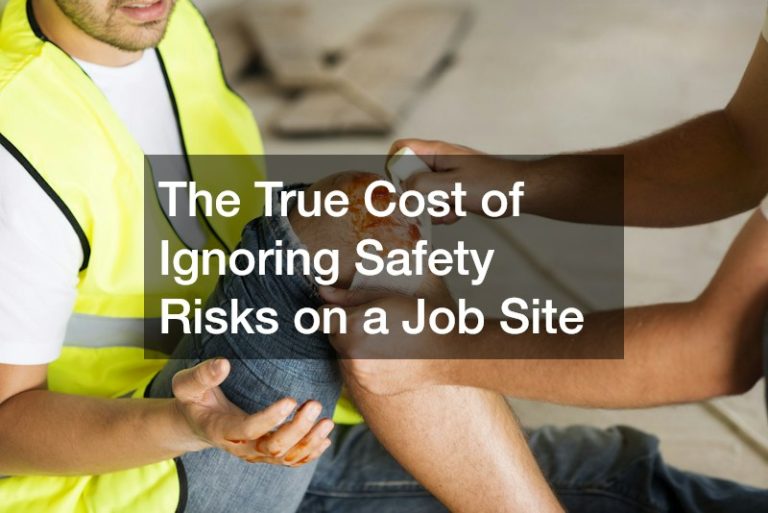
A construction site accident can change a life in seconds, but the damage rarely stops with the physical injury. Medical bills, lost wages, legal battles, and long recovery times ripple outward and affect families, workers, and entire communities for years. Understanding what safety failures actually cost can help property owners, contractors, and everyday workers make smarter decisions before an incident happens. This article breaks down the real financial, physical, and legal toll of ignoring job site safety, so you know what is at stake and what steps to take if something goes wrong.
Counting the Medical Bills After a Site Injury
Job site injuries often require more than a single emergency room visit. Broken bones, spinal damage, and traumatic brain injuries can demand surgery, physical therapy, and months of follow-up care. These costs add up quickly, and many injured workers are surprised to learn how much falls outside what insurance will cover.
Beyond the immediate treatment, there are often long-term costs that get overlooked in the early days after an accident. Ongoing rehabilitation, assistive devices, and prescription medications can stretch a budget thin for years. This is one reason many injured workers eventually consult an injury lawyer to understand what compensation they may be owed for both current and future medical needs.
- Emergency transport and hospital stays
- Surgical procedures and anesthesia
- Physical therapy and rehabilitation
- Long-term medication or assistive equipment
- Follow-up specialist visits
Lost Wages and the Strain on Household Budgets

When an injury keeps someone out of work, the paycheck stops but the bills do not. Rent, groceries, childcare, and utility payments still need to be covered, often while the household also absorbs new medical expenses. For workers paid hourly or those without extensive paid leave, even a few weeks off the job can create serious financial strain.
The ripple effect often extends to spouses or family members who must reduce their own work hours to provide care. This loss of a second income compounds the problem and can push families toward debt or missed payments. Recognizing this risk early is part of why site safety planning matters just as much for financial stability as it does for physical wellbeing.
Legal Consequences for Contractors and Property Owners
Safety violations are not just a workplace issue, they can become a legal one quickly. Contractors and site owners who ignore OSHA guidelines or fail to maintain safe conditions can face fines, lawsuits, and in severe cases, criminal liability. These legal proceedings can take months or years to resolve, tying up resources and damaging a company’s reputation in the process.
Workers who are injured due to negligence often have grounds to pursue a claim, and many turn to personal injury lawyers to evaluate whether the site owner or employer failed to meet basic safety standards. These cases hinge on documentation, witness statements, and inspection records, which is why thorough safety logs matter long before an incident ever occurs.
- OSHA citations and financial penalties
- Civil lawsuits from injured workers
- Increased insurance premiums after a claim
- Potential criminal charges for gross negligence
- Reputational damage affecting future contracts
Everyday Hazards That Get Overlooked on Busy Sites
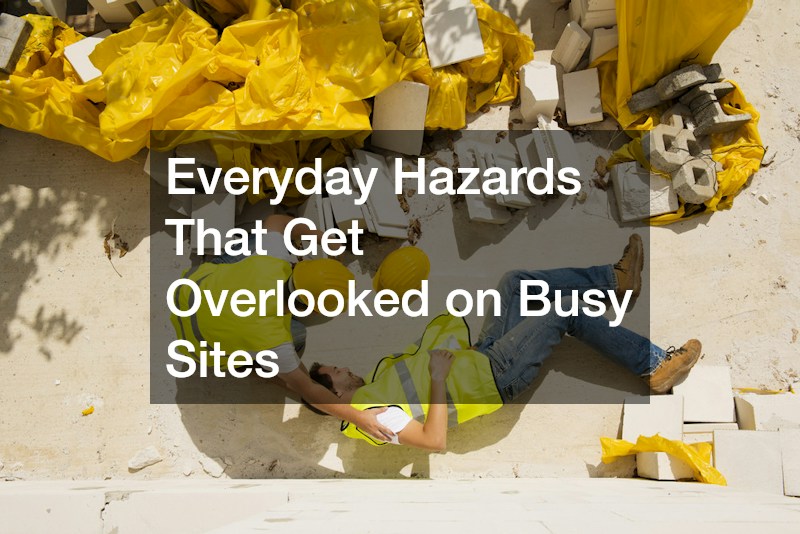
Not every job site hazard involves heavy machinery or scaffolding. Simple oversights, like poor sanitation or cluttered walkways, contribute to a surprising number of injuries each year. Unsanitary or missing facilities can lead workers to walk longer distances or use makeshift solutions, increasing exposure to other hazards along the way.
A well-planned site includes basic amenities placed thoughtfully to reduce unnecessary movement across uneven or hazardous terrain. Arranging a construction porta potty rental in a convenient, well-lit location is a small detail that can meaningfully reduce foot traffic through dangerous zones. These small logistical choices are often the difference between a smooth project and one plagued by avoidable incidents.
- Cluttered walkways and tripping hazards
- Inadequate lighting in work zones
- Poorly placed restroom facilities
- Unmarked equipment storage areas
- Missing signage near hazardous zones
Slip and Fall Incidents on Uneven or Wet Surfaces
Falls remain one of the leading causes of construction site injuries, often tied to wet surfaces, loose debris, or unstable footing. Weather conditions like rain or frost can turn a normally safe walkway into a serious hazard within hours. Because these incidents happen so quickly, many victims are left unsure of who is responsible for the conditions that caused their fall.
Determining liability in these cases can be complicated, especially when multiple contractors share responsibility for maintaining a site. Consulting the best slip and fall attorney available can help injured workers or visitors understand whether negligence played a role and what evidence will strengthen their claim. Photos, incident reports, and witness accounts taken immediately after a fall often make a significant difference in how these cases are resolved.
How Site Accidents Differ From Car Accidents and Other Claims
People often assume all personal injury cases follow the same process, but job site accidents involve unique rules around workers compensation, third party liability, and employer responsibility. This is different from something like a vehicle collision, where fault typically rests between drivers and insurance companies handle claims more directly through established negotiation channels. A car accident lawyer handles a very different set of evidence and procedure compared to someone working a construction injury claim, even though both fall under personal injury law. In a typical car accident case, the central questions are usually who ran the light, who was speeding, or who failed to yield. Police reports, traffic camera footage, and witness statements tend to settle those questions fairly cleanly, and the at-fault driver’s insurance carrier usually pays out. The process, while sometimes slow, follows a predictable path toward settlement or litigation. Job site accidents are rarely that simple. An injured worker often cannot sue their employer directly thanks to workers compensation laws, even if that employer’s negligence caused the injury. Instead, the claim may need to route through workers comp benefits while simultaneously exploring third party liability against a subcontractor, equipment manufacturer, or property owner who was not the direct employer. This creates layers that a standard injury claim does not have. A scaffolding collapse, for example, might involve the general contractor, the scaffolding rental company, and the site safety inspector all bearing some responsibility, each covered by separate insurance policies with different coverage limits. Sorting out who pays what — and in what order — takes specialized knowledge that goes well beyond the fault-finding exercise common in a basic auto collision claim.
Understanding these distinctions matters because it affects where compensation comes from and how long a claim might take to resolve. A car accident typically involves a straightforward liability dispute between drivers, resolved through auto insurance within months. A job site injury, by contrast, often triggers a workers’ compensation claim first, which may run on a separate track entirely from any third-party lawsuit against a contractor, equipment manufacturer, or property owner. Workers compensation may cover some costs quickly, including a portion of lost wages and medical bills, often within weeks of filing. But it operates on a no-fault basis with fixed benefit schedules, meaning it generally does not account for pain and suffering, emotional distress, or reduced quality of life. Long-term or permanent disability is often underfunded by these benefits, leaving workers to cover a gap that can stretch into tens of thousands of dollars over a lifetime. Deadlines also work differently. Workers’ comp claims often require notifying an employer within days of an incident, while a personal injury claim against a negligent third party may allow one to three years, depending on the state. Missing the shorter internal deadline can forfeit benefits entirely, even if the larger claim remains technically valid. Knowing which path applies to your situation early on can prevent costly delays and missed deadlines for filing claims. It also helps determine whether you need an attorney experienced in workplace injury law, since navigating both systems simultaneously requires coordinating evidence, medical records, and settlement negotiations across two very different legal frameworks.
Choosing the Right Legal Support After a Job Site Injury
Not all attorneys specialize in the same type of case, and construction injuries often require someone familiar with site safety regulations, equipment standards, and multi-party liability. Taking time to research credentials, past case results, and client reviews can make a meaningful difference in the outcome of a claim. Many firms offer free consultations, which gives injured workers a low-risk way to understand their options before committing to representation.
Word of mouth and local reputation still matter when searching for the best accident attorneys in your area. Look for attorneys who communicate clearly, explain the process in plain language, and have a track record with construction or workplace injury cases specifically. The right legal partner should make an already stressful situation easier to navigate, not more confusing.
- Verify experience with construction or workplace injury cases
- Ask about contingency fee structures before signing
- Request references or case outcome examples
- Confirm clear communication throughout the process
- Check reviews from past clients in similar situations
Ignoring safety risks on a job site rarely saves time or money in the long run. The true cost shows up in medical bills, lost income, legal battles, and the lasting physical toll on workers and their families. If you or someone you know has been affected by a job site injury, take the time to document everything, understand your rights, and seek knowledgeable legal guidance before making any decisions. Being proactive now can protect both your health and your financial future down the road.