Running a business requires more than a strong product or service. The physical space where operations take place, the legal protections behind the scenes, and the visibility of your brand all contribute to long-term performance. Smart commercial investments are not just about aesthetics—they directly affect productivity, safety, customer experience, and profitability.
Too often, business owners view property upgrades and operational improvements as optional expenses. In reality, strategic improvements strengthen your foundation and reduce risk. A well-maintained facility minimizes costly interruptions. A secure property protects assets and employees. Strong branding increases visibility and trust. Proper legal and financial safeguards prevent devastating setbacks.
Commercial improvements are interconnected. The roof over your building, the signage outside your storefront, the condition of your parking lot, your insurance policies, and your legal framework all influence operational stability. When aligned with business goals, these investments create efficiency, protect capital, and position your company for scalable growth.
This article explores how strategic upgrades—from structural integrity to legal and financial planning—can drive measurable business success. Whether you’re launching a new venture or scaling an established operation, investing wisely in your commercial space and support systems can create a powerful competitive advantage.
Strengthening Your Building’s Foundation for Long-Term Stability
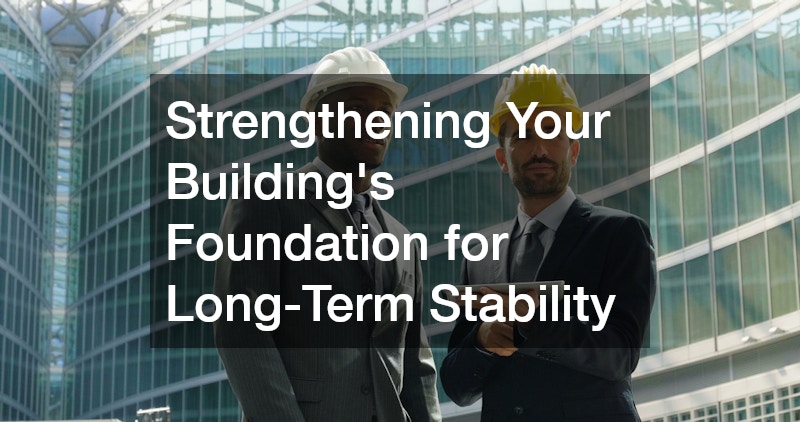
The physical structure of your business is one of your most important assets. Neglecting it can lead to expensive emergency repairs, safety risks, and operational disruptions. Prioritizing structural improvements ensures long-term reliability and protects everything inside the building—equipment, inventory, employees, and customers.
Partnering with experienced commercial contractors allows you to assess the current state of your property and identify upgrades that improve safety and efficiency. These professionals can handle structural reinforcements, expansion projects, compliance updates, and energy-efficiency improvements. When done correctly, these upgrades reduce long-term maintenance costs and increase property value.
Your roofing system is especially critical. Working with reputable commercial roofing companies ensures that leaks, insulation issues, and weather damage are addressed before they escalate. A compromised roof can result in water damage, mold growth, and business interruptions that cost far more than preventative maintenance.
Long-term stability investments may include:
-
Roof inspections and reinforcement
-
Structural retrofitting for safety compliance
-
Energy-efficient insulation and windows
-
HVAC upgrades to improve climate control
-
Foundation assessments
Energy-efficient improvements also lower operational costs. Insulated roofing, reflective materials, and upgraded ventilation systems reduce utility bills while supporting sustainability initiatives.
Ultimately, your building’s structural integrity supports everything else. A stable, safe facility builds employee confidence, protects inventory, and reassures clients that your business is reliable and professionally managed.
Renovating for Growth and Operational Efficiency
As businesses evolve, their physical spaces must adapt. Layouts that once supported a small team may no longer function efficiently as the company grows. Renovation becomes a strategic tool for boosting productivity and improving workflow.
Thoughtfully planned commercial renovations can transform outdated spaces into high-performing environments. Whether reconfiguring office layouts, modernizing retail floors, or expanding warehouse capacity, renovations should support operational goals rather than simply refresh aesthetics.
Benefits of smart renovation include:
-
Improved workflow and team collaboration
-
Better use of square footage
-
Enhanced customer experience
-
Increased property valuation
-
Compliance with updated building codes
For example, open collaborative spaces may enhance communication in creative industries, while structured layouts may improve efficiency in manufacturing settings. Retail stores may redesign displays to guide customer movement and encourage purchases.
Renovations also offer opportunities to integrate technology—such as energy-efficient lighting, automated climate systems, and digital infrastructure upgrades. These enhancements reduce operating expenses while supporting long-term scalability.
Growth often demands change. Instead of relocating, strategic renovation allows businesses to optimize their existing space while controlling costs. When aligned with company objectives, renovations become a growth accelerator rather than a disruption.
First Impressions and Brand Visibility Matter
Your exterior appearance communicates your professionalism before a customer ever walks through the door. A polished, well-branded property builds trust and attracts attention in competitive markets.
High-quality Business signs are one of the most impactful investments a company can make. Clear, attractive signage increases visibility, strengthens brand recognition, and reinforces credibility. Poor signage, on the other hand, can create confusion and diminish perceived value.
Effective branding extends beyond a single sign. Strategic commercial signage may include:
-
Exterior storefront signs
-
Directional signage
-
Interior branding displays
-
Window graphics
-
Illuminated signs for nighttime visibility
Consistency in color schemes, typography, and messaging strengthens brand identity. Customers are more likely to remember and recommend businesses with cohesive visual branding.
Lighting also plays a major role in first impressions. Well-lit storefronts increase safety and highlight signage during evening hours. Clean landscaping and maintained facades further reinforce professionalism.
Visibility is directly tied to revenue. If customers can’t easily find or recognize your business, they may choose competitors. Investing in strong branding and exterior presentation signals confidence, reliability, and long-term commitment to quality service.
Improving Safety and Security for Business Continuity
Security is not just about preventing theft—it’s about protecting your entire operation from costly interruptions. Business continuity depends on maintaining safe, controlled environments for employees, customers, and assets.
Professional commercial locksmiths provide more than basic lock installation. They offer comprehensive security solutions such as:
-
Master key systems
-
Electronic access control
-
High-security locks
-
Keyless entry systems
-
Emergency lock services
Access control systems allow you to monitor and manage who enters sensitive areas. This is particularly important for offices handling confidential data or warehouses storing high-value inventory.
Upgrading locks and entry systems reduces liability and deters unauthorized access. Smart systems also allow businesses to deactivate access remotely if employees leave the company.
Security improvements may extend to surveillance systems, alarm integration, and reinforced entry points. These measures not only protect physical assets but also reassure staff that their workplace is secure.
Investing in safety strengthens your reputation. Customers feel more comfortable visiting well-secured facilities, and employees perform better in environments where they feel protected.
Enhancing Customer Access and Property Functionality
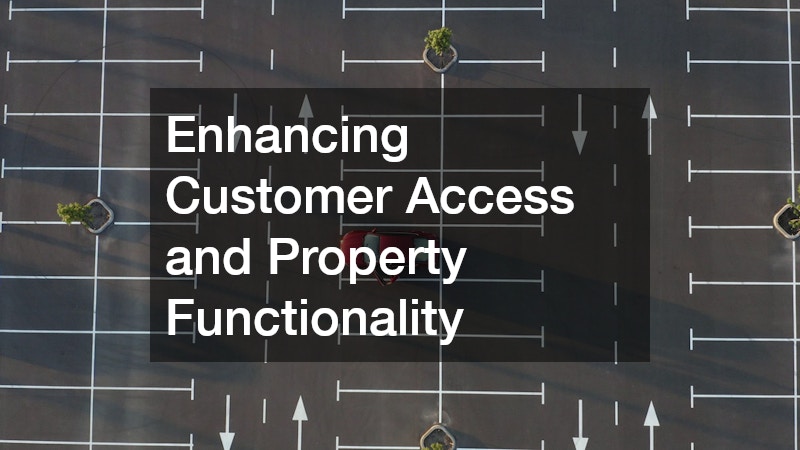
Accessibility and functionality directly influence customer experience. Even small inconveniences—like poorly marked parking or cracked pavement—can discourage repeat visits.
Working with professional parking lot contractors ensures that your exterior space is safe, organized, and visually appealing. Properly maintained parking lots reduce accident risks and demonstrate attention to detail.
Key upgrades may include:
-
Resurfacing and sealing pavement
-
Repainting parking lines
-
Improving drainage systems
-
Adding accessible parking spaces
-
Installing adequate lighting
Compliance with accessibility regulations is essential. Clear pathways and designated spaces show that your business values inclusivity and convenience.
Well-designed parking areas also improve traffic flow. Customers can enter and exit smoothly, reducing congestion and frustration.
Your exterior layout reflects your operational efficiency. Investing in access improvements enhances customer satisfaction and supports long-term loyalty.
Legal and Structural Protection for Sustainable Growth
Expansion introduces complexity. Whether opening additional locations or offering franchise opportunities, legal preparation is critical to protecting your interests.
Consulting experienced franchise attorneys ensures that contracts, disclosure documents, and agreements meet regulatory standards. Proper legal guidance protects intellectual property, branding rights, and operational systems.
Legal professionals can assist with:
-
Franchise agreements
-
Lease negotiations
-
Trademark protection
-
Compliance documentation
-
Risk mitigation strategies
Even businesses that are not franchising benefit from structured legal oversight. Clear contracts prevent disputes and safeguard ownership rights.
Legal investments may seem intangible compared to physical improvements, but they are equally vital. A single oversight can result in costly litigation or brand damage.
Protecting your business legally strengthens investor confidence and prepares you for scalable growth. Sustainable success requires more than physical upgrades—it requires structural protection at every level.
Financial Protection and Risk Management Strategies
No matter how strong your building or brand is, unforeseen events can threaten operations. Insurance provides a safety net that protects your investments.
Partnering with reputable business insurance companies allows you to evaluate coverage options that align with your risk profile. Essential policies may include:
-
Property insurance
-
Liability insurance
-
Business interruption coverage
-
Workers’ compensation
-
Equipment protection
Business interruption insurance is particularly valuable. If unexpected events force temporary closure, coverage can offset lost revenue and ongoing expenses.
Insurance also protects improvements such as renovations and upgraded equipment. Without adequate coverage, investments remain vulnerable.
Risk management should be proactive. Conduct regular assessments to identify potential vulnerabilities and update policies accordingly.
Financial protection safeguards your long-term strategy. It ensures that a single setback does not erase years of progress.
Integrating Improvements Into a Strategic Growth Plan
Commercial improvements are most effective when integrated into a broader strategic plan. Random upgrades may create temporary benefits, but coordinated investments drive lasting results.
Start by conducting a comprehensive assessment of your current facilities and operations. Identify areas that:
-
Present safety risks
-
Reduce operational efficiency
-
Limit customer experience
-
Restrict scalability
Prioritize improvements based on urgency and return on investment. Structural repairs and safety upgrades typically come first, followed by branding and expansion initiatives.
Budgeting is essential. Consider phased upgrades to manage cash flow while maintaining momentum. Financing options or reinvested profits can fund larger projects without overextending resources.
Track measurable outcomes such as:
-
Reduced maintenance costs
-
Increased foot traffic
-
Higher employee productivity
-
Improved customer satisfaction
Data-driven evaluation ensures that each investment contributes to overall growth.
Collaboration with vetted vendors and advisors ensures quality execution. Reliable partnerships reduce delays and protect your capital.
When aligned with strategic goals, commercial improvements become powerful tools for competitive differentiation.
Energy Efficiency Improvements That Reduce Long-Term Costs
Energy efficiency is one of the smartest long-term commercial investments a business can make. Rising utility costs can quietly eat into profit margins, especially for companies operating in large office buildings, warehouses, or retail locations. Strategic upgrades not only lower monthly expenses but also demonstrate environmental responsibility—an increasingly important factor for customers and investors.
Improvements may include installing LED lighting systems, upgrading insulation, replacing outdated HVAC units, and investing in smart thermostats or building automation systems. Even upgrades such as commercial window tinting can significantly reduce heat gain, stabilize indoor temperatures, and lower cooling costs. Over time, these savings compound and free up capital for growth initiatives.
Energy-efficient buildings also improve employee comfort and productivity. A well-regulated indoor climate reduces fatigue and increases focus, directly contributing to operational performance. When sustainability and cost-efficiency align, businesses gain both financial and reputational advantages.
Leveraging Exterior Enhancements to Increase Customer Appeal
The exterior of your commercial property plays a major role in shaping customer perception. Before entering your establishment, clients evaluate cleanliness, accessibility, and overall professionalism. Investing in visible upgrades can significantly influence buying decisions and brand trust.
Exterior improvements might include facade repainting, landscaping enhancements, improved lighting systems, and updated storefront finishes. These elements work together to create a welcoming environment. Customers are more likely to visit and return to businesses that appear well-maintained and inviting.
Additional exterior enhancements may involve:
-
Updating entry doors and glass panels
-
Installing protective awnings
-
Improving outdoor seating areas
-
Adding weather protection features
Small aesthetic improvements can dramatically elevate brand perception. A clean, polished exterior signals that your company pays attention to detail—an attribute customers often associate with product or service quality.
Building Strong Vendor Relationships for Long-Term Success
Behind every successful commercial improvement project is a network of reliable vendors and service providers. Establishing strong, long-term partnerships ensures consistency, quality workmanship, and efficient communication during upgrades or repairs.
Working repeatedly with trusted professionals reduces the risk of delays, miscommunication, and budget overruns. Vendors who understand your business operations can tailor recommendations to suit your specific industry needs. They also become proactive partners—alerting you to maintenance needs before problems escalate.
To build strong vendor relationships:
-
Clearly define project expectations.
-
Establish written agreements and timelines.
-
Maintain open communication channels.
-
Evaluate performance after each project.
Long-term partnerships often result in better pricing, priority scheduling, and higher-quality outcomes. Instead of constantly searching for new service providers, business owners benefit from a dependable team aligned with their growth vision.
Measuring the Return on Commercial Improvement Investments
Investments should always be evaluated based on measurable outcomes. While some improvements offer immediate visual impact, others provide financial benefits that accumulate gradually. Tracking performance ensures that each upgrade contributes to business success.
Key performance indicators (KPIs) may include:
-
Reduction in maintenance expenses
-
Decrease in energy bills
-
Increased customer traffic
-
Higher employee retention rates
-
Improved sales performance
For example, upgraded security systems may reduce theft-related losses, while enhanced exterior branding may increase walk-in traffic. Renovated interiors may improve workflow efficiency, reducing operational bottlenecks.
Conduct periodic reviews to compare projected returns against actual results. This process helps refine future investment decisions and ensures that capital is allocated strategically. Businesses that consistently evaluate ROI make smarter improvements and maintain a strong competitive position in their industry.
Conclusion: Turning Property Investments Into Competitive Advantage
Business success is rarely accidental. It is built on deliberate decisions that strengthen infrastructure, protect assets, and enhance customer experience.
From structural upgrades and thoughtful renovations to security systems, branding improvements, legal guidance, and insurance protection, every investment contributes to operational stability. These improvements reduce risk, increase efficiency, and build trust with clients and employees alike.
Rather than waiting for problems to arise, proactive investment positions your company ahead of competitors. A secure, well-maintained, and strategically branded property communicates professionalism and long-term commitment.
Commercial improvements are not simply maintenance tasks—they are growth strategies. When integrated into a comprehensive plan, they transform your business environment into a powerful engine for success.
Sustainable growth requires foresight, protection, and continuous improvement. By investing wisely in your commercial space and support systems, you create a resilient foundation capable of adapting, expanding, and thriving in any market condition.