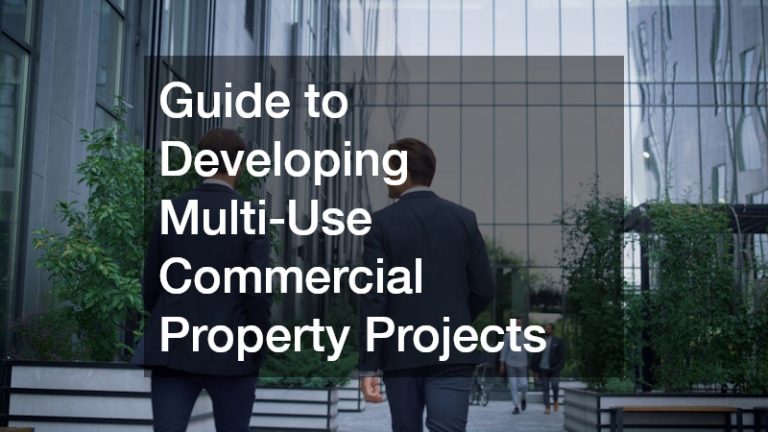
Multi-use commercial developments have rapidly become the crown jewels of modern urban planning. By intelligently blending retail storefronts, corporate office spaces, and luxury residential units into a single cohesive footprint, these properties create vibrant, self-sustaining micro-communities. They appeal to the modern desire for a “fifteen-minute city” where residents can live, work, dine, and shop without ever needing to start a car. For developers, these projects offer diversified revenue streams, insulating the asset from downturns in any single real estate sector.
However, the immense upside of a mixed-use development is matched only by its profound logistical complexity. Combining entirely different zoning requirements, vastly different structural load capacities, and conflicting tenant needs into one building often leads to catastrophic budget overruns, delayed timelines, and logistical nightmares. The sound insulation required to put a quiet residential penthouse above a bustling, late-night restaurant is just one example of the engineering puzzles these buildings present.
The solution to mitigating these immense risks lies in master-planning the development with a rigorously phased approach. Developers must ensure that the foundational infrastructure for every distinct zone is meticulously sequenced from the day the ground is broken. Retrofitting a completed building to accommodate a commercial kitchen or a heavy water amenity is financially disastrous.
This comprehensive guide will walk developers, property managers, and investors through the five critical phases of multi-use property development. We will explore actionable, in-depth strategies for sequencing specialized trades, future-proofing complex tenant spaces, and successfully transitioning a diverse array of occupants into the completed, fully operational building.
Phase 1: Site Preparation and Foundational Integrity
The foundational phase of a multi-use project requires far more foresight than a standard single-use warehouse or standalone apartment complex. Because the building will host multiple distinct use cases, the groundwork must be engineered to support compounding structural loads, heavy foot traffic, and diverse utility access points. This phase ensures safety, regulatory compliance, and structural integrity from the soil up.
Assessing and Stabilizing the Groundwork
Before a single piece of structural steel is erected, the earth beneath the site must be thoroughly evaluated and stabilized. If you are developing a greenfield site, this involves extensive geotechnical engineering reports to understand soil composition, water table depth, and seismic stability. If you are retrofitting or expanding an existing footprint, such as converting an old industrial site into a multi-use retail and residential hub, you must assess the viability of the existing concrete slabs.
In mixed-use spaces, the ground floor is typically reserved for high-traffic retail, grocery stores, or warehouse-style distribution centers. These tenants require absolute precision in their flooring. Uneven slabs can cause massive logistical issues for retail shelving, heavy refrigeration units, and forklift operations. If the soil has subsided beneath an existing slab, developers must utilize commercial concrete leveling to correct the uneven foundational elements early in the project. This process, which often involves injecting high-density polyurethane foam or utilizing traditional mudjacking techniques beneath the slab, lifts and stabilizes the concrete. Addressing this immediately prevents severe tripping hazards, mitigates future cracking, and ensures absolute precision alignment for the multi-story structural steel framing that will rest upon it.
When assessing your site’s foundation, ensure your engineering team executes the following:
-
Conduct deep soil borings across the entire footprint to identify any hidden subterranean voids, old buried foundations, or hazardous soil contamination from previous industrial use.
-
Calculate the specific point-loads required for ground-floor retail tenants, specifically focusing on areas where heavy machinery, bank vaults, or massive commercial refrigeration units will be placed.
-
Establish a robust perimeter drainage system that diverts groundwater away from the newly stabilized foundation, preventing future soil erosion and hydrostatic pressure against underground parking structures.
-
Verify the exact elevation of the finished floor to ensure seamless, ADA-compliant transitions from the exterior public sidewalks into the ground-floor retail lobbies.
Selecting the Right Build Partner for Mixed-Use Complexity
Developing a building that incorporates residential apartments, corporate offices, and heavy retail requires navigating a labyrinth of colliding building codes. Residential units require specific egress windows, localized fire suppression, and strict sound-transmission class (STC) ratings. Commercial spaces require massive HVAC load capacities, heavy electrical phases, and complex municipal permitting.
Because of this inherent friction, you cannot hire a general contractor whose expertise is limited solely to suburban home building or solely to tilt-up warehouses. You must partner with a specialized commercial construction company that possesses a deeply documented history of managing the overlapping codes of multi-use zoning. These specialized firms do not just provide labor; they provide sophisticated logistical orchestration. They employ dedicated project managers for distinct trades, ensuring that the plumbers running residential lines on the fourth floor are not impeding the electricians installing heavy conduits in the ground-floor restaurant.
When vetting your primary building partner, mandate these specific criteria:
-
Demand to see a portfolio of completed multi-use projects, and cross-reference their past performance by speaking with the property managers of those completed buildings to verify long-term structural quality.
-
Ensure they have an in-house permitting expeditor who understands how to navigate the municipal bureaucracy of simultaneous commercial and residential zoning approvals.
-
Establish rigid, financially binding milestone timelines in the contract that account for the sequenced delivery of different floors, allowing you to begin moving in retail tenants while residential floors are still being finished.
-
Require the implementation of comprehensive building information modeling (BIM) software to detect physical clashes between plumbing, electrical, and HVAC systems before they are installed on the job site.
Phase 2: Designing Sustainable and Specialized Spaces
Once the foundation and structural skeleton are established, the focus shifts to the architectural design of specialized spaces. In a competitive real estate market, developers must design areas that increase the property’s overall value, dramatically boost its sustainability scores, and attract high-paying, long-term tenants.
Integrating Urban Agriculture and Green Zones
Modern tenants, both commercial and residential, place a massive premium on sustainability, wellness, and access to nature. Integrating green spaces into a multi-use concrete structure is no longer just an aesthetic luxury; it is a strategic requirement for securing high-tier LEED certification and commanding premium lease rates. Rooftops, multi-level atriums, and elevated courtyards provide the perfect canvas for these natural amenities.
A rising trend in elite mixed-use developments is the incorporation of commercial greenhouses directly into the building’s architecture. These structures can serve multiple highly lucrative purposes. They can function as on-site sourcing hubs for ground-floor farm-to-table restaurants, providing ultra-local produce that drives restaurant marketing and revenue. Alternatively, they can serve as high-end, year-round communal gardens and wellness spaces for the residential tenants occupying the upper floors. However, placing thousands of pounds of soil, irrigation water, and heavy glass structures on elevated levels requires immense structural forethought.
To successfully integrate these advanced green spaces, developers must execute the following:
-
Work with structural engineers during the blueprint phase to over-engineer the load-bearing capacity of the roof or atrium to support saturated soil, which is exponentially heavier than dry dirt.
-
Implement hospital-grade, multi-layered root barrier waterproofing membranes to prevent aggressive plant roots from penetrating the building envelope and causing catastrophic leaks into the spaces below.
-
Design a dedicated, high-capacity drainage system specifically for the agricultural zones to capture and safely route excess irrigation runoff, potentially recycling it for gray-water toilet systems.
-
Ensure the architectural glass used in these zones is treated to optimize the specific UV spectrum required for plant growth while mitigating excessive solar heat gain in the surrounding tenant areas.
Future-Proofing Restaurant Retail Pads
Food and beverage tenants are the ultimate anchor for any multi-use property. A popular ground-floor restaurant creates massive foot traffic, elevating the value of adjacent retail spaces and providing a highly desirable amenity for the office and residential tenants above. However, restaurants also require the most complex, expensive, and invasive infrastructure of any commercial tenant.
If a developer builds a standard retail shell and later tries to lease it to a restaurant, the retrofitting costs will be astronomical. Developers must proactively pre-install the necessary restaurant infrastructure during the initial build. This includes pouring sunken concrete slabs to accommodate insulated walk-in freezers so they sit flush with the kitchen floor, and installing massive, high-capacity in-ground grease traps that tie directly into the municipal sewer lines. Most importantly, developers must map out vertical ventilation shafts during the framing process. Planning for proper commercial kitchen exhaust installation early in the architectural phase prevents the absolute nightmare of having to core-drill through finished floors, reroute residential plumbing, and breach fire-rated ceilings later in the project timeline.
Future-proof your high-value restaurant pads by implementing these design standards:
-
Construct dedicated, fire-rated vertical chases that run uninterrupted from the ground floor to the roof, exclusively reserved for heavy-duty black iron grease exhaust ducts.
-
Upgrade the electrical service to the designated restaurant pads to accommodate the massive amperage required by commercial ovens, industrial dishwashers, and specialized HVAC makeup air units.
-
Install high-capacity, dedicated natural gas lines and commercial water mains that are metered completely separately from the rest of the building’s utilities.
-
Design reinforced, sound-dampened loading dock pathways that allow food distributors to deliver heavy pallets of inventory without disrupting the lobbies or walkways of the residential tenants.
Phase 3: High-Value Amenities for Tenant Attraction
To command the highest possible lease rates and ensure rapid occupancy, a multi-use development must offer amenities that go far beyond standard gyms and conference rooms. High-value luxury amenities are the primary differentiators in major urban markets. However, integrating complex, heavy, and highly regulated features into a multi-story building requires flawless execution and strict adherence to municipal health codes.
Navigating Aquatic Facility Regulations and Design
Aquatic centers—whether they are sprawling ground-floor resort-style pools, elevated infinity edges on a mid-level terrace, or rooftop lap pools—are the most sought-after amenities in premium real estate. They provide a massive marketing advantage. However, water is incredibly heavy, weighing roughly 8.34 pounds per gallon. An elevated pool exerts a terrifying amount of static and dynamic load on the building’s structural steel. Furthermore, a poorly sealed aquatic facility is a ticking time bomb for the tenants living or working directly beneath it.
Designing these spaces requires navigating a maze of municipal health codes, life safety regulations, and structural engineering challenges. You cannot simply leave a void in the concrete and figure out the plumbing later. Developers must work closely with specialized commercial pool installers from the very beginning of the blueprint phase. These experts ensure that the immense spatial requirements for the pump room—which must house massive sand filters, chemical feeders, and commercial heaters—are accurately factored into the core design, rather than being crammed into an inadequate utility closet as an afterthought.
When designing elevated aquatic amenities, prioritize the following critical elements:
-
Over-engineer the structural support columns directly beneath the pool basin to handle not just the dead weight of the water, but the dynamic shifting weight caused by wind, seismic activity, and occupant use.
-
Apply multiple redundant layers of specialized, hospital-grade epoxy waterproofing and seamless polyurea coatings to the entire basin and surrounding deck to guarantee zero water intrusion into the floors below.
-
Ensure strict ADA compliance across the entire facility, integrating permanent structural pool lifts, zero-entry ramps, and accessible locker rooms into the initial concrete pour.
-
Design the surrounding deck space with high-friction, anti-slip commercial finishes and aggressive floor drains to manage splashing and routine deck washdowns safely.
Establishing Long-Term Water Safety Protocols
Building a stunning aquatic facility is only half the battle; operating it safely is an ongoing, daily liability. In a multi-use building, the pool may be accessed by hundreds of residents, office workers, and their guests every single day. The municipal health department will subject the facility to rigorous, unannounced inspections. Imbalanced water chemistry can cause severe skin irritation, transmit waterborne pathogens, or rapidly corrode the expensive stainless steel fixtures within the pump room.
Developers and property management teams must plan for the long-term operational reality of heavy-use water amenities before the building even opens. This includes designing highly secure, heavily ventilated chemical storage rooms that separate volatile compounds like liquid chlorine and muriatic acid. It also means recognizing that standard building maintenance staff are not qualified to manage commercial water chemistry. Developers should transition the completed facility over to a certified commercial pool contractor prior to the grand opening. These specialized professionals will handle the daily liability of water chemistry, calibrate the automated pH balancing systems, backwash the massive filtration tanks, and maintain the daily logs required to pass strict health department audits.
Protect your aquatic investment by implementing these long-term operational standards:
-
Install state-of-the-art chemical automation systems that monitor water balance in real-time and alert management via smartphone applications if levels drop outside of safe parameters.
-
Design the indoor pool environment with dedicated, high-capacity dehumidification systems to prevent condensation from causing structural rust and toxic black mold in the surrounding drywall.
-
Establish a clear protocol for emergency bodily fluid clean-up, ensuring staff have the exact sanitization chemicals and training required to shock the pool and reopen it safely.
-
Require your maintenance vendor to conduct bi-annual preventative maintenance tear-downs of all main circulation pumps and heaters to prevent sudden mechanical failures during peak summer use.
Phase 4: Building Envelope and Climate Control Systems
With the foundation stabilized, the spaces designed, and the specialized amenities installed, the development enters a critical phase of sealing and climate management. A multi-use building is essentially several different ecosystems existing under one roof. Managing the exterior envelope to keep the elements out, while simultaneously managing the complex, diverse air quality needs of the interior, requires top-tier engineering and materials.
Specifying Durable and Energy-Efficient Top-Level Coverage
The roof of a mixed-use development is a highly active, heavily burdened environment. Unlike a standard residential roof, a commercial flat roof must support massive mechanical HVAC units, window washing davits, elevator overruns, and potentially the green spaces or amenities mentioned in previous phases. It also features dozens, if not hundreds, of penetrations for plumbing vents, electrical conduits, and exhaust shafts. Every single one of these penetrations is a potential leak point that could destroy millions of dollars of interior finishes.
Choosing the right roofing material—whether it is a highly reflective Thermoplastic Polyolefin (TPO) membrane to reduce cooling costs, an incredibly durable Ethylene Propylene Diene Terpolymer (EPDM) rubber system, or a complex green roof assembly—is a massive financial decision. More importantly, the installation must be flawless. Developers must hire tier-one commercial roofers who specialize specifically in high-rise or massive-footprint projects. These specialized crews understand how to taper rigid insulation to ensure perfect drainage on a flat deck, how to heat-weld seams so they are stronger than the membrane itself, and how to sequence their work so the building envelope is completely watertight before the vulnerable interior drywall and electrical phases begin.
Ensure the long-term integrity of your building’s envelope by focusing on these roofing directives:
-
Select highly reflective “cool roof” materials to drastically reduce the urban heat island effect, lowering the HVAC burden for the entire building and contributing to municipal energy compliance.
-
Mandate the installation of heavy-duty, reinforced walkway pads from the roof access hatches to all major mechanical units, preventing maintenance technicians from puncturing the primary membrane with dropped tools or heavy boots.
-
Ensure the roofing firm provides an electronic leak detection matrix installed beneath the membrane, allowing property managers to pinpoint the exact microscopic location of a breach before water ever enters the building.
-
Negotiate a comprehensive, No-Dollar-Limit (NDL) warranty directly from the membrane manufacturer, ensuring that both materials and labor are fully covered in the event of a systemic failure.
Segmenting Climate Control for Mixed Zoning
The climate control requirements in a multi-use building are wildly contradictory. A ground-floor restaurant generates massive amounts of heat, humidity, and pungent odors. A second-floor corporate server room requires freezing, dry air 24 hours a day. The luxury penthouses on the top floors demand whisper-quiet, highly personalized temperature control. If these systems are not perfectly segmented, you will have residential tenants complaining that their apartments smell like the restaurant’s deep fryers, or office workers shivering because the building’s central chiller is overcompensating for the gym’s heat load.
Developers must design entirely independent airflow systems to prevent cross-contamination. This often involves utilizing advanced Variable Refrigerant Flow (VRF) systems, which can simultaneously cool one zone while using the extracted heat to warm a different zone, resulting in massive energy savings. Because these segmented systems are incredibly complex, developers should establish relationships with multiple commercial HVAC repair companies during the actual installation phase. Having these maintenance professionals familiar with the labyrinth of ductwork, the placement of the fire dampers, and the complex zoning controls before the walls are closed up ensures they can execute rapid, accurate repairs when emergency maintenance is eventually required.
Optimize your multi-use climate control by implementing these HVAC strategies:
-
Install dedicated make-up air units for the restaurant and gym spaces to ensure negative pressure does not pull conditioned air out of the building lobbies or residential corridors.
-
Set up completely separate utility sub-metering for the commercial, retail, and residential zones, allowing property management to accurately bill specific tenants for their exact energy consumption.
-
Equip the entire facility with a centralized, cloud-based Building Management System (BMS) so facility engineers can monitor humidity levels, track energy spikes, and adjust set-points remotely.
-
Design all HVAC mechanical rooms with oversized access doors and integrated floor drains to allow for the easy future replacement of massive chiller barrels or air handling units without requiring structural demolition.
Phase 5: Managing the Transition and Securing Asset Longevity
The final phase of development transitions the property from an active construction site into a living, breathing community. This phase is heavily focused on logistics, risk mitigation, and establishing the long-term safety nets required to protect the newly finished asset. The way tenants move into the building, and the way the exterior is maintained immediately following completion, dictates the long-term success of the property.
Coordinating Tenant Relocation Logistics
Moving dozens of different businesses, retail operators, and residential tenants into a single building within a condensed timeframe is an exercise in extreme logistical choreography. If not managed with an iron fist, the move-in process can cause massive damage to the newly finished lobbies, elevators, and loading docks. Hallway drywall gets gouged, custom flooring gets scratched by heavy pallets, and loading bays become hopelessly bottlenecked, leading to furious tenants before they have even opened for business.
Property management must orchestrate a highly rigid, phased move-in schedule. This requires implementing a strict reservation system for the freight elevators and loading docks, allotting specific time blocks for specific floors. To protect the physical asset during this chaotic time, property managers must require incoming corporate and retail tenants to use certified commercial movers. Unlike residential moving companies, these professionals understand how to navigate high-density loading zones, protect corners with heavy padding, and transport massive office equipment without damaging the newly finished infrastructure.
Execute a seamless transition into the completed building by enforcing these move-in protocols:
-
Require all moving vendors to submit comprehensive Certificates of Insurance (COIs) naming the building ownership as an additional insured party before they are granted access to the property.
-
Mandate the use of heavy-duty masonite board on all finished lobby floors and padded blankets on all elevator cab walls during the entire relocation phase.
-
Stagger the move-in dates based on tenant complexity; allow the heavy retail and restaurant tenants to load their equipment weeks before the residential tenants begin arriving.
-
Assign dedicated, on-site loading dock masters to act as traffic controllers, preventing delivery trucks from backing up onto public streets and causing municipal traffic citations.
Establishing Proactive Exterior Maintenance Contracts
The moment the ribbon is cut and the certificate of occupancy is issued, the building begins to age. The elements immediately begin testing the building envelope. Many developers make the fatal error of assuming that a newly constructed building requires zero maintenance for the first few years. In reality, the immediate post-construction phase is when preventative maintenance is most critical to ensure all systems are functioning as designed and to protect the manufacturer warranties.
Property managers must set up proactive maintenance schedules to protect the building envelope immediately. This involves scheduling bi-annual inspections to clear debris from roof scuppers, inspect parapet metal flashing for wind damage, and verify the integrity of exterior window caulking. To ensure this is handled reliably, ownership must have a local commercial roofing service on a master service agreement from day one. Having this contract already in place guarantees priority dispatch. If a severe, unexpected weather event or hail storm threatens the newly completed property, your building will be at the very top of the repair queue, rather than waiting weeks for an inspection.
Protect your new asset by implementing these immediate post-construction maintenance strategies:
-
Conduct a comprehensive, multi-trade walkthrough exactly eleven months after completion to identify any settling cracks, structural shifts, or mechanical failures before the contractor’s one-year general warranty expires.
-
Establish a routine schedule for exterior facade cleaning and window washing to prevent the buildup of corrosive urban smog and preserve the pristine aesthetic of the new development.
-
Ensure all maintenance vendors upload their inspection reports, photographic evidence, and repair logs directly into a centralized property management software for long-term historical tracking.
-
Review and test all emergency building systems—including backup generators, fire suppression pumps, and stairwell pressurization fans—quarterly to guarantee life safety compliance.
Conclusion
The successful development of a multi-use commercial property is an extraordinary achievement in modern engineering and urban planning. It requires visionary architectural design, ruthless financial discipline, and a mastery of logistical sequencing. From stabilizing the raw foundation to orchestrating the final, chaotic move-in day, every phase relies heavily on the meticulous execution of the phase that preceded it.
As a developer or project stakeholder, it is vital to remember that cutting corners on specialized infrastructure in a mixed-use environment creates compounding liabilities. A failing waterproof membrane under a rooftop garden does not just ruin the garden; it destroys the luxury penthouse below, which in turn causes electrical failures in the retail space on the ground floor. You are building an interconnected ecosystem. By securing the envelope with specialized experts, carefully isolating the complex climate and ventilation systems, and planning for the long-term operational reality of high-value amenities, you insulate the entire asset from these cascading failures.
Do not let the inherent complexity of mixed zoning deter you from capitalizing on the most lucrative sector in commercial real estate. Bookmark this development roadmap, share it with your architectural and engineering teams, and begin assembling a roster of highly specialized trade partners today. With rigorous planning and uncompromising standards, your multi-use project will not only redefine the local skyline but will serve as a highly profitable, self-sustaining community for decades to come.