
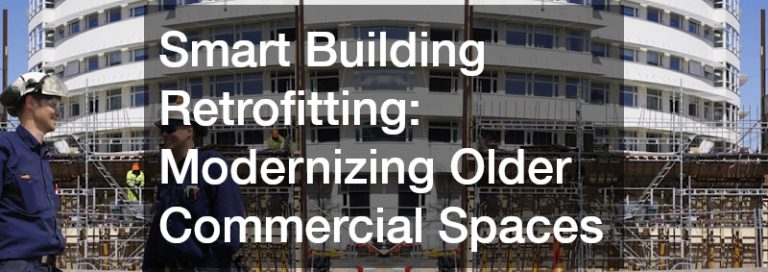
The architectural landscape is shifting away from new construction toward the revitalization of existing structures. As urban centers become more crowded and the cost of raw materials fluctuates, many property owners are discovering that the most sustainable and financially sound path forward is retrofitting. This process involves taking a building with good bones—often a structure built decades ago—and infusing it with modern technology to improve efficiency, safety, and aesthetic appeal. Transforming an aging facility into a smart building is not merely about adding a few sensors; it is a holistic overhaul that touches every aspect of the property, from its electrical backbone to the way guests enter the lobby.
Modernization efforts allow older buildings to compete with new developments by offering state-of-the-art amenities and lower operating costs. Tenants today expect high-speed connectivity, climate control that responds to occupancy, and a physical environment that promotes wellness. For the building owner, these upgrades often translate into higher lease rates and significantly reduced utility bills. However, navigating the complexities of an older structure requires a strategic approach. It is about balancing the preservation of character with the demands of the twenty-first century. By focusing on smart upgrades, an owner can ensure the property remains viable and profitable for many years.
Navigating the Regulatory Landscape
The very first step in any retrofitting project occurs long before a single hammer is swung. Older buildings were constructed under codes that are often vastly different from contemporary standards. When a major renovation begins, the local municipality typically requires that the building be brought up to current safety, accessibility, and energy codes. This is where the expertise of professional consultants becomes indispensable. Managing the paperwork and the inspections required for structural changes or utility upgrades can be a full-time job.
Property managers often rely on specialized providers for commercial permit services to ensure that every modification is legally compliant. These professionals understand the specific zoning laws and environmental regulations that apply to commercial properties. By handling the application process and coordinating with city planners, they prevent the types of delays that can derail a project budget. Ensuring that all legal foundations are solid allows the physical work to proceed with confidence. Without this level of coordination, a project can hit a standstill, leading to lost revenue and increased labor costs that could have been easily avoided with the right expertise and planning.
Enhancing Perimeter Security and Landscaping

A building’s transformation begins at the curb. For many older commercial complexes, the exterior space is an overlooked asset. Modernizing the grounds involves more than just planting a few shrubs; it requires a focus on safety and curb appeal. Overgrown foliage can hide signage or create security blind spots. Engaging a professional commercial tree company is a necessary step in creating a clean, professional look. Trimming back legacy trees not only improves the view but also protects the building from storm damage. This proactive approach to landscaping ensures that the property looks well-maintained and provides a welcoming first impression to visitors.
Beyond the greenery, the way vehicles and pedestrians interact with the property is a major focus of smart retrofitting. Integrated security systems now allow for seamless entry and exit. Many facilities are opting to install commercial automated gates that can be controlled via smartphone apps or recognized by license plate reading cameras. These gates provide a level of security that older, manually operated systems simply cannot match. They offer property managers data on who is entering and exiting the site, which is invaluable for both security and logistics management. By automating the perimeter, the building owner reduces the need for constant on-site security personnel at every entrance, allowing for a more streamlined and cost-effective operation.
Modernizing the Building Entrance
Once a visitor passes the perimeter, the main entrance serves as the next critical touchpoint. In older buildings, heavy manual doors are often seen as a hindrance to accessibility and energy efficiency. Smart buildings prioritize touchless entry, which has become a standard expectation for health and convenience reasons. If the existing systems are outdated or prone to sticking, it is vital to invest in professional automatic door repairs to keep the flow of traffic moving smoothly. A malfunctioning door is more than just a nuisance; it is a liability and a drain on the building’s climate-controlled air.
Updating these entry points often involves integrating them with the building’s central management system. Modern sensors can track how many people enter the building at different times of the day, allowing the HVAC system to adjust in anticipation of peak loads. This level of responsiveness is a hallmark of the smart building era. By ensuring that these mechanical components are in top working order, owners can provide a frictionless experience that begins the moment a tenant approaches the front door. This transition from a physical barrier to an automated gateway makes the building feel more accessible to everyone, including those with mobility challenges.
Optimizing the Building Envelope and Light
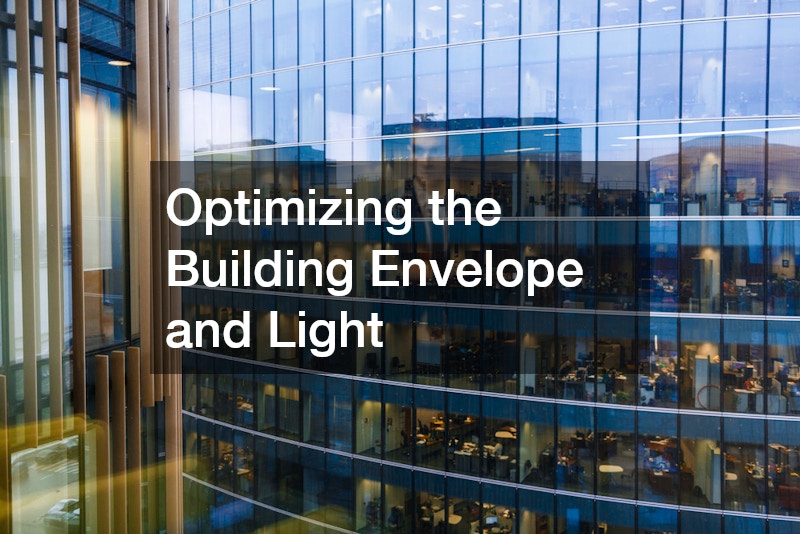
The building envelope—comprised of the walls, roof, and windows—is the primary barrier between the internal environment and the outside world. In many older buildings, windows are a major source of energy loss. Thin, single-pane glass allows heat to escape in the winter and soak in during the summer. Replacing these sections with high-performance commercial glass is one of the most effective ways to lower energy consumption. Modern glazing options include low-emissivity coatings that block infrared light while allowing natural visible light to flood the interior.
This upgrade does more than just save money on utilities. Increased natural light has been shown to improve worker productivity and mood. By retrofitting with smart glass that can tint automatically based on the sun’s position, property managers can eliminate the need for traditional blinds, which often harbor dust and break over time. This keeps the interior looking sleek and modern while providing tenants with a comfortable, glare-free workspace. The aesthetic impact of new windows also significantly boosts the building’s market value. A bright, glass-filled lobby or office floor is much more attractive to prospective high-end tenants than a dark, poorly lit space that feels disconnected from the outside world.
Reconfiguring the Electrical Infrastructure
A smart building is only as intelligent as the electrical grid that powers it. Older structures were never designed to handle the sheer number of electronic devices, servers, and automated systems found in modern offices. During a retrofit, the electrical panels and wiring often need a complete overhaul to support high-speed data cables and smart lighting systems. This work must be executed by a qualified local electrician who is familiar with the specific challenges of working inside legacy walls. Older buildings often have hidden complexities, such as outdated wiring materials, that require technical knowledge to resolve safely.
The goal of this electrical modernization is often twofold: capacity and control. Smart lighting systems, which use occupancy sensors to dim or turn off lights in empty rooms, can reduce lighting costs by up to 30 percent. Furthermore, having an updated electrical system allows for the installation of electric vehicle charging stations in the parking area, a feature that is increasingly demanded by high-value tenants. A reliable electrical foundation ensures that all the high-tech bells and whistles added during the renovation will function without interruption. It also provides the scalability needed for future technology upgrades, such as advanced battery storage or on-site solar power generation.
High-Efficiency Water and Plumbing Systems
Plumbing is another area where older buildings show their age. Outdated boilers and water heaters are not only inefficient but also take up a significant amount of square footage. As part of a smart retrofit, many owners are moving toward tankless or high-efficiency commercial water heaters. These units provide hot water on demand, reducing the energy wasted by keeping a massive tank heated 24 hours a day. By switching to these modern systems, building managers can reclaim valuable floor space that can be repurposed for other amenities, like additional storage or small breakrooms for staff.
Modern water management also involves the installation of leak detection sensors. In a multi-story commercial building, a single burst pipe can cause millions of dollars in damage. Smart sensors can detect moisture and automatically shut off the water supply, sending an alert to the maintenance team immediately. This level of protection is a key selling point for insurance providers and gives property owners peace of mind. Upgrading these core mechanical systems ensures the building can operate reliably for another several decades. Additionally, low-flow fixtures can be integrated into the plumbing network to further reduce water consumption and lower monthly utility expenses, contributing to the building’s overall sustainability profile.
Refreshing Interior Surfaces and Aesthetics
While the mechanical systems are the organs of the building, the interior finishes are its skin. The tactile experience of a space—the way it sounds and feels underfoot—greatly influences how it is perceived. Worn-out carpets or cracked tiles can make even the most technologically advanced building feel dated. Engaging a professional flooring company to install durable, modern materials is essential. Current trends favor sustainable materials like polished concrete or high-durability luxury vinyl tile that can withstand heavy foot traffic while remaining easy to clean.
The choice of flooring also impacts the building’s acoustics. In open-concept offices, which are common in retrofitted industrial spaces, sound can bounce off hard surfaces and create a noisy environment. Modern flooring solutions often incorporate acoustic underlays to dampen sound, creating a more focused and pleasant atmosphere for workers. When combined with updated wall finishes and ergonomic furniture, new flooring transforms a tired space into a vibrant, contemporary hub of activity. This visual and auditory refresh is often the most noticeable part of a retrofit, providing an immediate sense of quality and attention to detail that enhances the overall tenant experience and increases the property’s appeal.
Maintaining a Healthy Environment
In the modern commercial world, cleanliness is no longer a behind-the-scenes concern; it is a primary factor in tenant retention. A smart building needs a maintenance plan that is as sophisticated as its hardware. Relying on a consistent local commercial cleaning service ensures that the investment in new flooring, glass, and surfaces is protected. Professional cleaners use specialized equipment and environmentally friendly chemicals to maintain the property without damaging sensitive electronic components or high-end finishes.
Furthermore, many modern cleaning services now use data to drive their workflows. For example, sensors in restrooms can alert the cleaning crew when the facilities have reached a certain level of usage, rather than relying on a static hourly schedule. This demand-driven approach ensures that the most heavily used areas of the building receive the most attention, maintaining a high standard of hygiene throughout the day. A clean building is a healthy building, and health is a major component of the smart philosophy. When tenants see that the building is being cared for at such a high level, it builds trust and encourages them to treat the space with more respect.
Streamlining Business Logistics
A retrofitted building must also account for the administrative and logistical needs of its tenants. Even in a digital age, physical mail and package delivery remain a significant part of daily business operations. A smart building often includes a centralized mailroom or a secure locker system for deliveries to prevent theft and clutter. Some property owners go a step further by offering an on-site mailing service to help tenants manage their outgoing shipping and large-scale communication needs.
Integrating these services into the building’s digital ecosystem allows tenants to receive notifications on their phones when a package arrives, reducing clutter in the lobby and improving security. By providing these logistical conveniences, the building becomes more than just a place to work; it becomes a supportive environment that helps businesses run more efficiently. This holistic view of the tenant experience is what separates a standard renovation from a true smart building modernization. Providing these extra layers of service helps to create a community within the building, fostering professional connections and making the property a more desirable location for a wide range of industries.
The Long-Term Value of Future-Proofing
The ultimate goal of smart building retrofitting is future-proofing. By investing in the building’s core infrastructure—its permits, its security, its glass, and its mechanical systems—owners ensure that the property remains relevant as technology continues to evolve. An older building with a modern soul offers a unique charm that new constructions often lack. The process of upgrading these structures is a complex puzzle, but the rewards are substantial. From increased energy efficiency to better tenant satisfaction, every change serves a purpose.
When the renovation is complete, the result is a facility that is cheaper to operate, safer to occupy, and more enjoyable to inhabit. The synergy between high-tech upgrades and professional maintenance creates an asset that appreciates in value over time. In a world where environmental impact is closely scrutinized, retrofitting stands as a testament to the power of reuse and intelligent design. It is a sophisticated way to honor the past while firmly embracing the future of the commercial real estate market. As more companies look for office space that aligns with their values of sustainability, the demand for these modernized structures will only continue to grow. By choosing the right partners and focusing on the most impactful upgrades, property owners can turn any aging structure into a flagship of modern commerce that stands the test of time.