
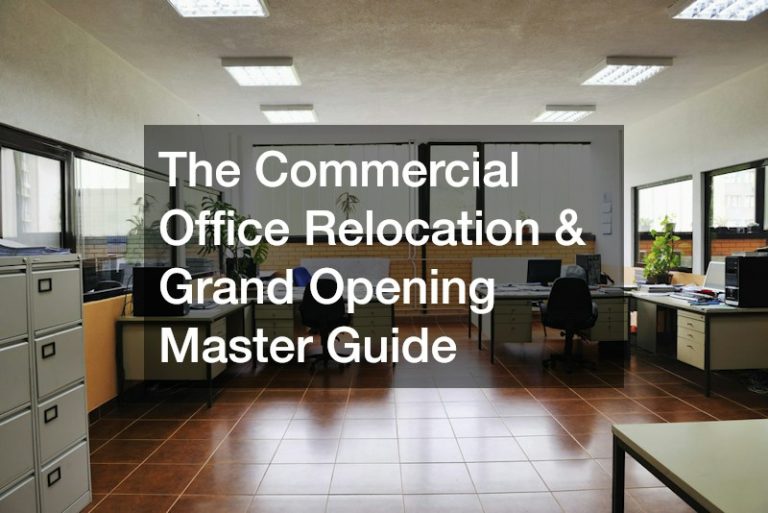
Moving a company to a new location marks a massive milestone. It represents growth, new opportunities, and a fresh start for the entire team. However, transitioning an operation from one building to another is rarely simple. It requires meticulous planning and a clear understanding of the moving parts involved. Without a solid strategy, delays pile up and costs spiral out of control. Without careful coordination, productivity suffers. On the other hand, a methodical approach ensures a smooth and steady transition process from start to finish. A successful transition means ensuring every detail is handled before the first box is packed. Facility managers and business owners must work together to create a detailed roadmap outlining everything from inspections to the final coat of paint. The goal is to minimize downtime so employees can get back to work immediately. When operations pause, revenue pauses. Therefore, keeping the project on schedule is the top priority. This guide breaks down the necessary steps required to manage a smooth transition. Leadership teams can transform a stressful project into an exciting journey. The following sections provide actionable advice for every stage.
Creating a Strategic Relocation Timeline
The foundation of a successful transition is a realistic timeline. Experts recommend starting the planning phase at least six to eight months before the target move-in date. This window allows leadership to secure vendors, negotiate contracts, and address unexpected delays. Assigning a dedicated project manager is the first major step. This individual serves as the central point of contact, ensuring communication remains clear. They will draft the master schedule, including hard deadlines for finalizing floor plans and migrating IT infrastructure. One of the most critical early decisions is selecting the right logistics partner. Trying to handle the physical transition internally rarely works well. Instead, research and hire a reputable professional mover with extensive experience in corporate relocations. Every detail matters, from packing delicate electronics to coordinating loading dock times at the new property. These professionals understand how to safely transport sensitive equipment and heavy filing systems. They create an inventory tracking system to ensure nothing gets lost in transit. With the timeline set and the heavy lifting delegated, the project manager can focus on the facility itself. The building must be thoroughly vetted.
Evaluating the New Commercial Facility

Before signing a lease, a thorough inspection of the new property is absolutely mandatory. A building might look perfect on the surface, but hidden structural issues can turn a dream location into a nightmare. An audit protects the company from inheriting deferred maintenance. It pays to look above the drop ceilings and behind the drywall. Uncovering hidden problems early saves a fortune later. Start by examining the building envelope. The top of the structure takes the brunt of the weather, and water intrusion can halt operations. Bring in an expert to assess the situation. If they find damaged membranes or weak flashing, scheduling a prompt commercial roof repair must become a top priority before interior renovations begin. Securing the envelope ensures the space remains dry. Equally important is the internal infrastructure. Older buildings often lack the capacity to support modern technological demands. A high-density office requires massive power for servers and machinery. Bringing in a qualified technician to perform necessary electrical repairs prevents blown circuits and fire hazards. They can upgrade breaker panels and ensure the system meets safety codes. Resolving these structural needs creates a stable foundation.
Upgrading Mechanical Systems for Comfort and Productivity
Once the structure is sound, attention must turn to the interior environment. Employee comfort directly impacts productivity and morale. A stuffy, poorly ventilated office leads to complaints and reduced focus. Therefore, modernizing climate control systems should never be an afterthought. Ignoring these elements will inevitably lead to employee dissatisfaction and costly emergency service calls during the busiest hours. Partnering with a reliable commercial HVAC company is required for evaluating the existing ductwork and units. These professionals balance airflow, replace aging filters, and install programmable thermostats that optimize energy usage. Proper ventilation is necessary for maintaining indoor air quality, keeping the workforce healthy throughout the year. Beyond air temperature, the facility’s water systems demand equal attention. Restrooms and breakroom kitchens see heavy daily use. A single leaking pipe can cause extensive water damage to new drywall. Hiring an experienced plumber to inspect the water lines, upgrade fixtures, and check pressure prevents disruptive emergencies. They can install energy-efficient toilets and touchless sinks, promoting better hygiene and reducing utility costs. Ensuring these core mechanical systems are robust makes the new office comfortable. Proactive maintenance on these systems greatly extends their operational lifespan. Replacing old valves during the renovation phase is far cheaper than doing it after the staff has moved.
Preparing for Power Outages and Emergencies

Risk management is a critical component of any facility transition. No matter how reliable the local grid seems, unforeseen weather events can cause sudden blackouts. For a modern enterprise, losing power means losing data, communication capabilities, and revenue. Having a backup plan is not just about convenience; it is about preserving the lifeblood of the company’s daily operations. To safeguard operations, investing in a permanent backup power solution is a smart decision. Having a reliable commercial generator installed on the property ensures critical systems remain online during an outage. This equipment automatically detects a power drop and switches on within seconds. It keeps servers running, emergency lighting illuminated, and security active. When selecting a unit, managers must calculate the total wattage required to keep core departments functioning. Some companies only need enough power to safely shut down servers, while others require full operational capacity. The installation process usually requires securing municipal permits and pouring a concrete pad. Setting up a routine maintenance schedule also ensures the equipment functions flawlessly when an actual emergency strikes. Preparedness eliminates panic and allows the team to focus on work. Training the staff on basic emergency protocols adds another layer of safety, ensuring everyone knows how backup systems operate during a crisis.
Enhancing Curb Appeal and Exterior Aesthetics
The interior might be state-of-the-art, but the exterior is the first thing clients and potential employees see. First impressions form before a visitor walks through the front doors. A visually appealing entry sequence creates a welcoming atmosphere that puts people at ease the moment they pull into the driveway. If the outside looks neglected, it reflects poorly on the brand’s professionalism. Investing in the exterior environment yields immediate returns in public perception. Overgrown bushes, dying trees, and patchy grass send the wrong message. Setting up a recurring contract with a professional commercial lawn service keeps the grounds looking immaculate year-round. These crews handle seasonal planting, weed control, and regular mowing, ensuring the entrance always looks inviting. In addition to green spaces, walkways and patio areas should be power-washed and cleared of debris. Installing modern outdoor seating creates a pleasant environment for employees to enjoy lunch breaks. Proper exterior lighting plays a major role in how the building is perceived. Well-lit pathways improve safety while highlighting architectural features. A pristine exterior demonstrates that the organization cares about its community footprint and takes pride in its physical presence. Maintaining a tidy landscape also discourages pests and prevents roots from encroaching on the foundation, protecting the investment over the long term.
Optimizing the Parking Area for Visitors and Staff
A beautiful landscape can be overshadowed by a crumbling, pothole-filled parking area. The parking lot is essentially the welcome mat for any corporate facility. If clients navigate deep cracks just to park, they start their visit frustrated. A neglected surface implies a lack of care, which is the exact opposite of what a thriving business wants to project. Safety and accessibility are the primary concerns here. Potholes are tripping hazards that can lead to significant liability issues if an employee is injured. Faded directional arrows and missing symbols also cause traffic confusion and violate municipal codes. To resolve these issues, management should hire a reputable parking lot resurfacing contractor to restore the pavement before opening day. A fresh layer of asphalt paired with bright striping instantly elevates the entire property. It shows a commitment to safety and provides a smooth surface for vehicles and pedestrians. The project should include updating parking stops, repainting fire lanes, and ensuring accessible ramps meet legal requirements. Organizing the flow of traffic with clear signage prevents accidents during busy morning arrivals. A pristine parking area sets a professional tone that carries through the rest of the facility. Regular sweeping and sealing of the new asphalt extends its life, making this initial investment a smart financial decision.
Establishing Brand Presence at the New Location
With the building fully renovated and grounds looking perfect, it is time to plant the corporate flag. A company’s identity needs to be clearly visible from the street to help visitors navigate and build local brand awareness. Moving to a new location is an opportunity to refresh the corporate image and make a bold statement. The most effective way to announce a company’s arrival is by installing a high-quality, illuminated business sign on the exterior of the building. It is a permanent billboard and the physical embodiment of the corporate reputation. This serves as a silent ambassador for the company, working around the clock to capture attention. Whether it is a monument structure near the road or sleek channel letters mounted above the entrance, the design should reflect the company’s core values. Working with a specialized design firm ensures the branding matches the corporate style guide perfectly. They handle the complex permitting process, which often involves strict zoning laws regarding size and brightness. Inside the building, consistency is just as important. Frosted glass logos on conference doors, branded lobby mats, and digital displays reinforce the corporate identity. When branding is cohesive inside and out, it creates a powerful atmosphere. Visitors immediately feel a sense of trust when they walk into a space that proudly displays its identity.
Planning the Ultimate Grand Opening Event

After months of planning, construction, and packing, the new office is finally ready. The only thing left to do is celebrate the achievement. This is a chance to step back, take a breath, and acknowledge the collective effort it took to arrive here. A grand opening event is the perfect way to reward the staff for their hard work during the transition and introduce the new space to key clients. Event planning should start several weeks in advance. Management can organize caterers, arrange for music, and set up guided tours of the newly renovated facility. Speeches from executives and a ceremonial ribbon-cutting help mark the occasion as a historic moment for the organization. To make the event truly memorable, providing branded merchandise is a fantastic strategy. Partnering with a local shop that specializes in bulk screenprinting allows the company to create custom apparel, such as t-shirts or tote bags featuring the new location details. Distributing these items to employees and guests builds a sense of unity and serves as a lasting reminder of the successful move. When staff members wear their custom apparel around town, it generates organic local marketing. A well-executed celebration highlights the beautiful building and boosts team morale as they settle in. The positive energy generated during this kickoff event carries over into the daily work routine, setting a productive tone.
Enjoying the Rewards of a Successful Relocation
Relocating a corporate operation is a massive undertaking that tests the organizational skills of leadership. From the initial property search to the final sweep of the parking lot, the details can be staggering. However, breaking the project down into manageable phases makes the process less intimidating. Success really comes down to preparation and partnering with the right professionals. Delegating complex tasks to experienced vendors allows the internal management team to stay focused on running the core business. Upgrading mechanical systems, securing backup power, and ensuring the exterior presents a flawless image are investments that pay dividends in employee satisfaction and client perception. The entire team will appreciate the dedication to creating a safe, comfortable, and beautiful work environment. When the heavy lifting is done, the reward is a modernized, highly functional workspace that supports future growth. The new facility becomes a powerful tool for recruiting top talent and impressing prospective partners. By following these structured steps, any organization can navigate the challenges of a corporate move and emerge stronger. The grand opening is not just the end of a long construction project; it is the exciting beginning of the company’s next great chapter. Embrace the journey and look forward to the incredible opportunities that await in the new operational home.