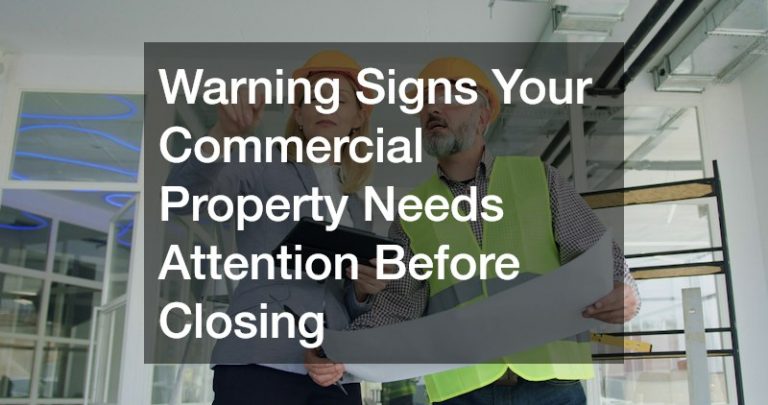
Buying or leasing a commercial property is one of the biggest financial decisions a business owner will make, and problems that seem minor during a walkthrough can turn into expensive headaches after closing. A rushed inspection or overlooked detail can cost tens of thousands of dollars in repairs, downtime, or lost tenants. Knowing what to look for before you sign gives you leverage to negotiate repairs, price adjustments, or walk away entirely. This guide walks through the most common warning signs that a commercial property needs attention, so you can make a confident, informed decision.
Roofing Damage and Water Intrusion
The roof is one of the most expensive components of any commercial building, and damage is often invisible from ground level. Water stains on ceiling tiles, bubbling paint near the roofline, or a musty smell in upper floors are all signs that moisture has been getting in for some time. Before closing, ask for the age of the roof and any maintenance records, since commercial roofs typically last between 15 and 30 years depending on material.
If an inspector flags sagging areas, missing flashing, or ponding water, a full roof replacement may be unavoidable within the next few years. This is a significant capital expense that should factor directly into your negotiations or purchase price.
- Ask for a roof certification or warranty transfer documentation
- Check for visible patch jobs, which suggest recurring leaks
- Look at attic or top-floor insulation for water damage
- Request the roof’s last inspection date from the seller
Plumbing Issues That Point to Bigger Problems
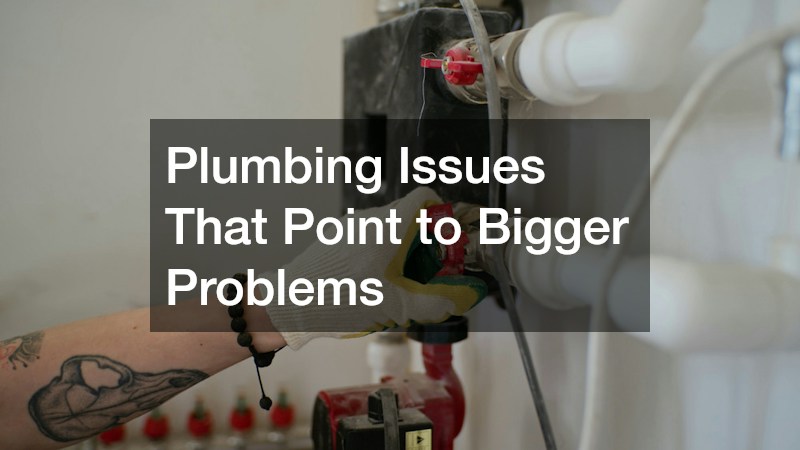
Plumbing troubles are easy to dismiss as minor, but slow drainage or recurring backups often signal deeper issues in the building’s waste lines. A clogged drain that keeps returning after a simple snaking job may indicate tree root intrusion, pipe collapse, or years of grease buildup in older commercial kitchens or restrooms. In cast iron systems common to buildings over 40 years old, internal corrosion can narrow pipe diameter by half or more, turning routine flow into a chronic bottleneck. Watch for secondary clues that point beyond a simple clog: gurgling sounds from fixtures, slow drains on multiple floors at once, or sewage odors near floor drains. These patterns often mean the problem lies in the main line rather than an isolated fixture, which means the fix involves excavation or pipe lining rather than a quick service call. A camera inspection of the sewer lateral, typically a few hundred dollars, can reveal cracks, bellies, or root intrusion invisible from the surface. Given that a full sewer line replacement can run anywhere from $5,000 to $25,000 depending on length and access, this small upfront cost can prevent a very expensive surprise. These issues are far cheaper to address before closing than after you’ve taken ownership, especially when negotiating repair credits is still an option.
Ask the seller whether the property has had any sewer camera inspections, especially for buildings older than 30 years. Cast iron and clay pipes common in older construction tend to crack, root-infiltrate, or corrode from the inside, and these problems rarely show up during a casual walkthrough. A professional plumbing evaluation can reveal whether the pipes need a simple cleaning or a full line replacement, which changes the negotiation significantly. Cleaning or hydro-jetting might cost a few hundred dollars, while replacing a main sewer line can run anywhere from $15,000 to $50,000 or more depending on length, depth, and whether the work requires cutting into parking lots or foundations. Watch for secondary clues that point to hidden plumbing trouble: water stains on ceilings below bathrooms, unusual sewer odors near floor drains, or slow drainage in multiple fixtures at once. These patterns often suggest a systemic issue rather than an isolated clog, and they’re worth flagging even if the seller hasn’t mentioned any known problems. If a camera inspection hasn’t been done, consider making one a contingency of the sale rather than skipping it to save time. The few hundred dollars it costs is minor compared to discovering a collapsed line after you’ve already closed.
- Test multiple sinks and toilets during your walkthrough, running water for a full minute to check for gurgling, backups, or delayed drainage
- Ask about water pressure consistency across floors, since a sudden drop on upper levels can signal pipe corrosion or undersized supply lines
- Request records of any past sewer line repairs, including camera inspection reports if the building is over 20 years old
- Watch for slow-draining floor drains in warehouse or industrial spaces, a common sign of grease buildup or collapsed drain lines
- Check ceiling tiles and walls near bathrooms and kitchens for water stains, which often point to hidden leaks
- Ask whether the property has cast iron or galvanized pipes, both of which typically need replacement within 50 years
Foundation Cracks and Structural Settling
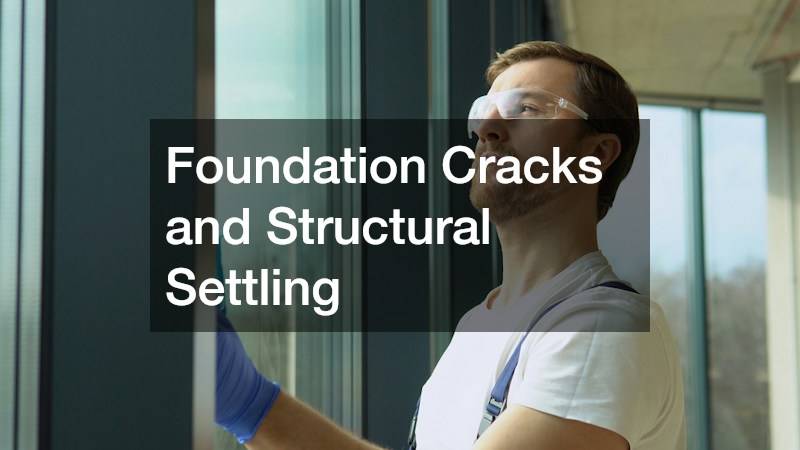
Cracks in walls, uneven floors, or doors and windows that stick or no longer close properly can all point to foundation movement. Hairline cracks under 1/8 inch wide are common and often cosmetic, typically caused by normal concrete curing rather than structural distress. Wider cracks, stair-step patterns in brick or block, or diagonal cracks running from door and window corners are more concerning and may indicate active settling. Other red flags worth checking include gaps between walls and ceilings, sloping floors you can feel with a level or even a rolling ball, and separation where the foundation meets the exterior siding. Exterior clues matter too—look for pooling water near the foundation, poor grading that directs runoff toward the building, or nearby trees whose roots may be drawing moisture unevenly from the soil. Getting a structural engineer’s opinion before closing is one of the smartest moves a buyer can make. A qualified engineer can distinguish between cosmetic aging and true structural movement, and can recommend monitoring or immediate remediation depending on severity. This is especially important in properties with basements, on sloped lots, or in regions with expansive clay soils prone to shifting. Foundation repair costs can range from a few thousand dollars for simple crack sealing to well into six figures for helical piers, underpinning, or full foundation replacement. Given that spread, even a modest-looking crack deserves professional evaluation rather than a guess, since the difference between a cosmetic fix and a structural overhaul can dramatically change your negotiating position and closing timeline.
Pay close attention to exterior grading and drainage patterns around the building, since poor water runoff is one of the leading causes of foundation stress. Ideally, the ground should slope away from the structure at a rate of at least 6 inches over the first 10 feet; if you notice pooling water, soggy soil, or grading that slants toward the foundation, treat it as a red flag worth investigating further. Inside and outside the building, look for telltale signs of settling, including diagonal cracks near door and window corners, doors or windows that stick or no longer close properly, and uneven or sloping floors. Cracks wider than 1/4 inch, or ones that appear to be actively growing, generally indicate more serious structural movement rather than normal settling and may warrant a structural engineer’s evaluation before you proceed. If the property sits in a flood-prone area or has a history of basement flooding, that history should be disclosed and factored into your decision. Ask for records of past water intrusion events, any remediation work performed, and whether sump pumps, French drains, or other water management systems have been installed. These details can significantly affect both your insurance costs and long-term maintenance budget, so it’s worth pushing for full transparency before closing.
- Check for cracks wider than a quarter inch, and note whether they run horizontally (a bigger red flag) or diagonally near corners
- Look for gaps between walls and ceilings or floors, especially where they’ve been freshly caulked or painted to mask movement
- Test whether doors and windows open and close smoothly, since sticking or misalignment often signals shifting below
- Walk the exterior for uneven sidewalks, sloping floors, or pooling water near the foundation line
- Ask about any past foundation repair work, including the method used, the contractor, and its warranty status
- Request engineering reports or inspection records tied to prior repairs to confirm the fix was permanent, not cosmetic
Perimeter Security and Fencing Condition
For properties with outdoor storage, parking lots, or industrial yards, the condition of the perimeter matters more than most buyers realize. Rusted posts, leaning sections, or gaps in chain link fences can create security vulnerabilities and liability risks once you take ownership. If the property relies on fencing to secure equipment or inventory, it’s worth having a professional assess whether the current barrier meets your needs.
It’s also worth asking whether the seller has worked with fence companies in the past for repairs or installations, since this can tell you how well the perimeter has been maintained over time. A property with a documented maintenance history is generally a safer bet than one where fencing issues have been ignored.
- Inspect gate locks and access points for wear
- Look for leaning posts or sagging sections
- Check for rust or corrosion on metal components
- Ask whether fencing meets local zoning or security codes
Interior Flooring Wear and Subfloor Damage

Flooring might seem like a cosmetic issue, but worn or damaged flooring can hide larger subfloor problems that affect safety and usability. Cracked tiles, buckling carpet, or soft spots underfoot may indicate moisture damage or structural wear that has gone unaddressed for years. Since office flooring often takes heavy daily foot traffic, it tends to show stress earlier than other parts of a building, making it a useful early warning sign.
Before closing, walk every room slowly and pay attention to how the floor feels underfoot, not just how it looks. Uneven transitions between rooms or noticeable dips can indicate settling issues that go beyond a simple flooring replacement.
- Look for water stains or discoloration near baseboards
- Press on soft or spongy areas to check subfloor integrity
- Ask about the age and material of existing flooring
- Check whether flooring was installed over unresolved moisture problems
Site Drainage and Nearby Vegetation
Overgrown trees and untrimmed landscaping can cause more damage to a commercial property than most buyers expect. Root systems can crack foundations, clog underground pipes, and lift pavement in parking areas, so it’s worth checking whether large trees sit close to the building. In some cases, the seller may need to bring in tree removal companies before closing to address branches overhanging the roof or roots threatening utility lines.
Standing water anywhere on the lot after rainfall is another red flag, since it often points to poor grading or a failing drainage system. Ask whether the property has ever experienced flooding in the parking lot or near entryways, as this can affect both safety and insurance costs down the line.
- Check for trees within 15 feet of the foundation
- Look for cracked pavement near large root systems
- Ask about the age and condition of underground drainage pipes
- Note any standing water after recent rain
Building Safety and Monitoring Systems

Security infrastructure is often overlooked during a property walkthrough, yet it plays a major role in protecting your investment after closing. Ask whether the building has functioning alarm systems, camera coverage, and controlled access points, and whether any contracts with protective services will transfer to the new owner. A property without adequate monitoring may need new systems installed immediately, which adds to your post-purchase budget.
It’s also worth reviewing any incident reports from the past few years, since a history of break-ins or vandalism can indicate a need for stronger security measures. Understanding what’s currently in place helps you estimate costs and avoid surprises once you’re responsible for the building.
- Ask for documentation of current security contracts
- Check whether cameras and alarms are in working condition
- Review any past incident or police reports tied to the property
- Confirm whether access codes and keys will be reissued after closing
Industrial and Specialty Equipment Considerations
If the property includes manufacturing space, loading docks, or specialized industrial areas, it’s important to evaluate any built-in equipment or metal structures that come with the sale. Custom-built shelving, support beams, or ductwork created by industrial metal fabricators should be inspected for wear, rust, or structural fatigue, especially in older facilities. These components can be expensive to replace, so their condition should factor into your overall assessment of the property’s value.
Ask whether any equipment has been serviced recently and request maintenance logs where available. A property with well-documented equipment history gives you far more confidence than one where records are missing or incomplete.
- Inspect metal fixtures for rust or corrosion
- Ask about the age of any custom-fabricated structures
- Request maintenance records for built-in equipment
- Confirm whether equipment is included in the sale price
Financial and Legal Documentation Review
Beyond the physical condition of the building, it’s worth confirming that the property’s financial and legal paperwork is in order before closing. Many buyers bring in an accountant or a CPA firm to review income statements, tax records, and any outstanding liens tied to the property. This step can uncover hidden costs, such as unpaid property taxes or pending assessments, that could become your responsibility after the sale.
A thorough financial review also helps confirm that the numbers presented by the seller match reality, particularly for properties marketed as income-generating investments. Taking this extra step protects you from inheriting financial surprises along with the physical building.
- Request three years of tax and expense records
- Confirm there are no outstanding liens or judgments
- Verify income claims against actual lease agreements
- Ask about pending zoning changes or assessments
Every warning sign covered here, from roofing and foundation issues to security gaps and financial red flags, can affect your bottom line long after the closing date has passed. Taking the time to inspect thoroughly and ask the right questions puts you in a stronger negotiating position and protects your investment. Don’t hesitate to bring in qualified professionals for anything you can’t evaluate yourself, since their expertise often pays for itself many times over. Approach your next commercial property purchase with a checklist in hand, and you’ll be far better positioned to make a decision you won’t regret.