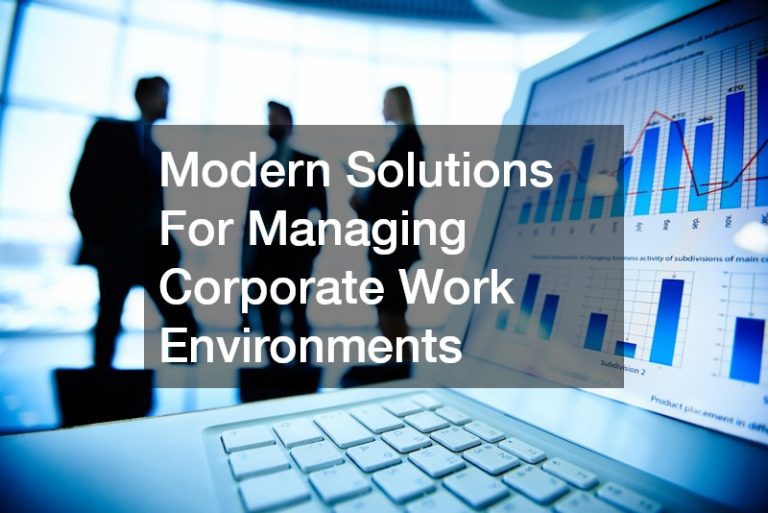
Modern corporate environments are evolving faster than ever, driven by technological advancement, changing workforce expectations, and the need for operational efficiency. Organizations are no longer just managing office space—they are managing interconnected systems that include people, infrastructure, finances, and digital tools.
Today’s workplaces must support flexibility, reduce operational friction, and ensure that both employees and leadership can function efficiently within a unified system. This shift requires companies to rethink traditional management approaches and adopt more integrated, proactive strategies.
Key areas influencing this transformation include:
- Increased reliance on automation and smart building systems
- Growing need for cross-functional operational planning
- Higher expectations for workplace comfort and productivity
- Stronger emphasis on compliance, safety, and risk management
- Greater focus on scalability and long-term sustainability
A modern corporate environment is no longer defined by physical office space alone. Instead, it is shaped by how effectively all operational components work together to support business goals.
Strengthening Operational Continuity Through Facility Reliability
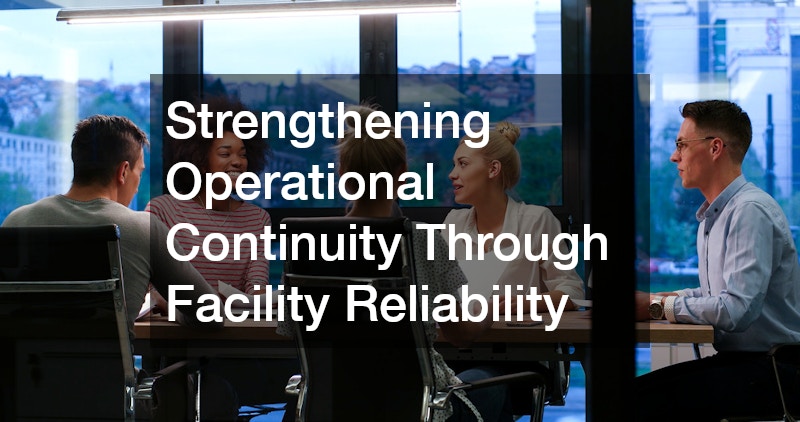
A stable corporate environment begins with dependable infrastructure. When essential systems fail, productivity drops, costs increase, and employee satisfaction suffers. This is why organizations are investing more heavily in structured maintenance strategies and long-term facility planning.
One of the most effective approaches is adopting preventive systems that identify issues before they escalate into disruptions. Instead of reacting to failures, companies are now prioritizing consistent monitoring and scheduled upkeep. In many organizations, this also includes coordinating with industrial maintenance services providers to ensure complex equipment and facility systems are serviced by trained specialists who can reduce downtime and extend asset life cycles.
Key strategies for operational stability include:
- Implementing routine inspections for critical systems
- Using predictive maintenance tools to reduce downtime
- Centralizing vendor coordination for faster response times
- Standardizing maintenance schedules across facilities
- Training internal teams to identify early warning signs
Beyond internal systems, workforce and operational support structures also play a role in continuity. Effective talent recruitment ensures that facility teams are staffed with qualified personnel who can respond quickly to technical issues and maintain operational standards without delays. When hiring is aligned with facility needs, organizations reduce skill gaps that can lead to inefficiencies or extended outages.
In large-scale environments, structural integrity is just as important as internal systems. Facilities built with durable materials and engineered for longevity reduce long-term operational risks. This includes working with specialized construction providers that understand commercial durability requirements and can design environments built for high performance over time.
Financial oversight also contributes to stability, as accountants help organizations track maintenance spending, forecast repair costs, and ensure resources are allocated efficiently across multiple facilities. This level of planning prevents unexpected financial strain caused by unplanned repairs or system failures.
By focusing on long-term stability rather than short-term fixes, organizations create workplaces that remain efficient, safe, and cost-effective while supporting sustainable operational growth.
Improving Movement, Access, and Facility Oversight
The way employees and visitors move through a workplace has a direct impact on efficiency and user experience. Poorly designed flow systems can lead to congestion, delays, and security challenges, while optimized environments enhance productivity and safety. As corporate campuses grow more complex, businesses are also relying more heavily on property manager roles to oversee daily building operations, coordinate tenants, and ensure that movement systems remain functional and aligned with occupancy needs.
Modern corporate buildings increasingly rely on automated access systems to improve movement and reduce manual oversight. At the same time, facility oversight roles have expanded significantly, requiring more coordination between building systems, tenants, and operational teams. In many cases, organizations also incorporate automatic doors to streamline entry points, reduce contact friction, and improve accessibility for high-traffic areas such as lobbies, conference centers, and shared workspaces.
Practical improvements include:
- Designing clear pathways to reduce bottlenecks
- Integrating automated entry and exit systems for efficiency
- Using sensor-based technology for security and tracking
- Establishing centralized control for facility operations
- Improving accessibility for employees and visitors
Facility management is no longer just about repairs and upkeep. It now involves strategic planning, tenant coordination, and real-time decision-making to ensure that every aspect of the environment functions smoothly. In larger corporate settings, this also extends to coordinating with industrial maintenance services teams to ensure that building systems such as HVAC, electrical networks, and safety infrastructure remain fully operational without disrupting daily workflows.
Technology infrastructure also plays a supporting role in modern access environments. Even seemingly simple tools like laser printers contribute to operational efficiency by reducing workflow delays in administrative tasks, ensuring that documentation, reporting, and compliance processes remain uninterrupted within high-traffic office environments.
A well-managed facility creates a seamless experience where physical infrastructure supports productivity instead of hindering it, allowing organizations to maintain both efficiency and a positive workplace experience at scale.
Enhancing Workplace Environments and Functional Design
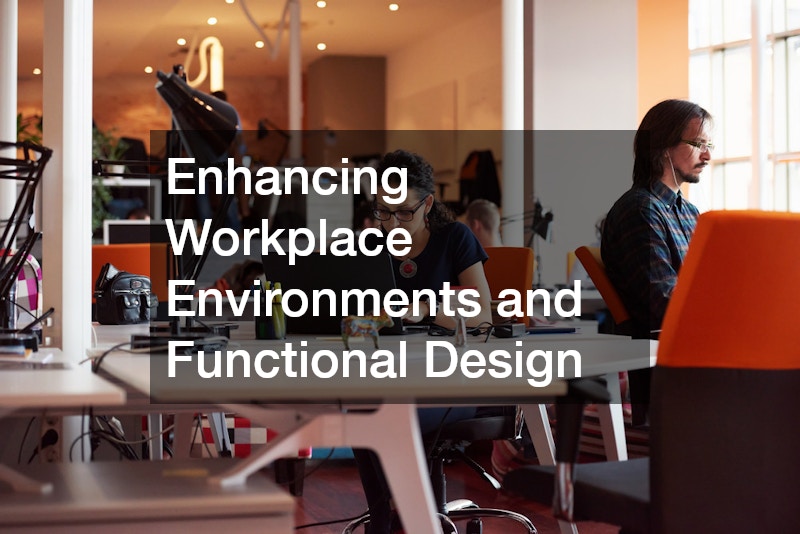
The physical appearance and functionality of a workplace significantly influence employee morale and client perception. A well-designed environment not only improves productivity but also reinforces brand identity and professionalism. Beyond aesthetics, companies are increasingly recognizing that environmental quality directly affects retention, collaboration, and overall operational performance.
Modern organizations are prioritizing environments that are both visually appealing and operationally efficient. This includes thoughtful use of space, durable materials, and technology integration that supports everyday tasks. Many businesses also invest in interior commercial painting as part of scheduled facility upgrades, ensuring that workspaces remain fresh, consistent with branding, and resistant to wear caused by high daily traffic.
Key considerations include:
- Selecting durable finishes that withstand high traffic use
- Designing interiors that reflect brand identity and culture
- Scheduling updates to minimize disruption to operations
- Improving lighting and spatial organization for productivity
- Ensuring equipment placement supports workflow efficiency
In addition to aesthetics, functional tools play a major role in daily operations. Reliable office equipment supports communication, documentation, and administrative tasks that keep business processes running smoothly. For example, laser printers remain essential in corporate environments where high-volume document production, compliance paperwork, and client-facing materials must be produced quickly and consistently without workflow interruptions.
Financial coordination also plays an important role in maintaining workplace design quality over time. Accountants help organizations allocate budgets for renovations, asset upgrades, and ongoing maintenance, ensuring that design improvements are financially sustainable and aligned with long-term operational planning.
Some businesses also explore angel investment opportunities to fund larger-scale workspace redesigns or expansion projects. This external funding can support modernization efforts that might otherwise be delayed due to internal budget constraints, allowing organizations to upgrade environments more quickly and remain competitive.
When design, functionality, and financial planning are aligned, workplaces become more than just physical spaces—they evolve into productivity engines that actively support business performance, employee satisfaction, and long-term growth.
Strengthening Workforce Systems and Administrative Efficiency
Human capital is one of the most critical components of any corporate environment. Without effective workforce planning, even the most advanced infrastructure cannot deliver optimal results. Organizations must ensure that hiring, onboarding, and employee management systems are structured and scalable. In modern workplaces, this also means integrating operational support functions such as payroll services to ensure accurate, timely compensation processing that aligns with compliance requirements and reduces administrative burden on internal teams.
Recruitment has become increasingly data-driven, with companies focusing on long-term cultural fit and skill alignment rather than just filling immediate roles. This shift improves retention and reduces turnover-related costs. Many organizations now collaborate with specialized talent recruitment partners to access broader candidate pools, improve screening accuracy, and reduce time-to-hire for critical positions.
Key workforce strategies include:
- Developing structured hiring pipelines for future growth
- Using analytics to improve candidate selection
- Streamlining onboarding processes for faster integration
- Enhancing employee retention through engagement programs
- Aligning workforce planning with business expansion goals
Administrative systems also play a crucial role in supporting workforce stability. Accurate compensation management, compliance tracking, and reporting ensure that employees are managed fairly and efficiently. Beyond payroll accuracy, organizations are also focusing on integrating workforce data into broader operational systems to improve forecasting and workforce planning decisions.
In more complex corporate environments, coordination between HR, finance, and facility operations is essential. For example, industrial maintenance services teams often rely on workforce scheduling systems to ensure the right personnel are available at the right time, preventing delays in critical infrastructure support.
Additionally, steel building services and other infrastructure-dependent operations require workforce planning that accounts for technical skill availability and project-based staffing needs. Without proper alignment between workforce systems and operational demands, even well-funded projects can experience delays or inefficiencies.
When workforce systems are properly structured, organizations can scale more effectively while maintaining stability and performance, ensuring that both employees and operational teams function within a coordinated and efficient ecosystem.
Financial Governance and Strategic Investment Planning
Strong financial management is essential for sustaining corporate environments. Without clear oversight, businesses risk inefficiencies, compliance issues, and poor resource allocation. Financial governance ensures that every operational decision is supported by accurate data and long-term planning. It also creates accountability structures that help leadership evaluate performance across departments and ensure that spending aligns with strategic priorities rather than short-term pressures.
Organizations rely heavily on financial professionals to manage reporting, compliance, and strategic forecasting. These systems provide clarity and allow leadership teams to make informed decisions about expansion and investment. In many companies, accountants play a central role in maintaining this financial integrity by ensuring records are accurate, audits are properly completed, and financial risks are identified early before they escalate into larger operational issues.
Key financial practices include:
- Maintaining accurate and transparent financial records
- Conducting regular audits and performance reviews
- Aligning budgets with operational priorities
- Forecasting future financial needs based on growth trends
- Ensuring regulatory compliance across all departments
In addition to internal financial management, external funding opportunities can play a role in corporate growth. Strategic investment partnerships allow companies to expand operations, innovate, and scale more quickly than organic growth alone might allow. Some organizations also pursue angel investment to support early-stage innovation projects, infrastructure upgrades, or digital transformation initiatives that would otherwise require slower internal funding cycles.
Financial governance also intersects with operational efficiency. For example, budgeting decisions often influence whether organizations can invest in industrial maintenance services that protect long-term asset performance or improve facility reliability. Similarly, funding allocations may determine whether companies can modernize systems such as laser printers or other essential office technologies that support daily administrative workflows.
Even physical infrastructure investments, including steel building services, depend heavily on long-term financial forecasting and capital planning. Without structured financial governance, organizations may struggle to balance expansion goals with ongoing operational costs, leading to instability or stalled growth.
A strong financial foundation ensures that organizations remain stable while still being able to pursue growth opportunities, allowing them to scale responsibly while maintaining resilience across all operational areas.
Technology Integration for Smarter Daily Operations
Technology is at the center of modern corporate environments. From communication platforms to workflow automation, digital tools are transforming how organizations operate on a daily basis.
By integrating technology across departments, companies can reduce inefficiencies, eliminate repetitive tasks, and improve collaboration. This leads to faster decision-making and more agile operations.
Key areas of technological improvement include:
- Automating repetitive administrative tasks
- Centralizing communication across teams
- Using cloud systems for document and data management
- Implementing real-time collaboration tools
- Enhancing cybersecurity measures for data protection
Technology also supports scalability by allowing businesses to expand operations without significantly increasing overhead. As organizations grow, digital systems ensure that processes remain consistent and manageable.
The result is a more connected, efficient, and responsive workplace environment.
Risk Management and Operational Resilience
Every corporate environment faces risks, ranging from operational disruptions to financial instability. Effective risk management ensures that organizations can respond quickly and recover efficiently from unexpected challenges.
A proactive approach involves identifying vulnerabilities before they become critical issues. This includes monitoring infrastructure, reviewing financial systems, and evaluating workforce dependencies.
Key risk management strategies include:
- Developing business continuity plans for emergencies
- Monitoring critical systems for early warning signs
- Conducting regular compliance and safety audits
- Diversifying operational dependencies to reduce risk exposure
- Establishing crisis response protocols
Resilient organizations are not those that avoid challenges entirely, but those that respond effectively when challenges arise. By building systems designed for adaptability, companies ensure long-term stability even in uncertain environments.
Scaling Corporate Systems for Long-Term Growth
As businesses expand, their operational systems must evolve accordingly. What works for a small organization often becomes inefficient at scale. This is why scalability must be built into every aspect of corporate management.
Scalable systems allow organizations to grow without losing efficiency or control. This includes infrastructure, workforce systems, financial planning, and technology integration.
Key principles of scalable environments include:
- Designing flexible systems that adapt to increased demand
- Standardizing processes across departments and locations
- Ensuring infrastructure can support future expansion
- Maintaining consistent communication structures
- Aligning growth strategies with operational capacity
Scalability is not just about expansion—it is about maintaining performance while growing. Organizations that prioritize scalability from the beginning are better positioned for long-term success.
Building Unified and Adaptive Work Environments
Modern corporate environments require a unified approach that integrates infrastructure, people, processes, and technology into a single cohesive system. Organizations that succeed in this area are those that treat workplace management as an interconnected structure rather than isolated functions.
By focusing on efficiency, adaptability, and long-term planning, businesses can create environments that support both current operations and future growth. The result is a workplace that is not only functional but also resilient, scalable, and prepared for continuous evolution in an increasingly complex business landscape.