
Commercial real estate assets require continuous attention, structural oversight, and proactive upkeep to maintain operational safety, regulatory compliance, and long-term asset value. Property managers who rely solely on reactive fixes often face unexpected equipment downtime, elevated emergency repair costs, and tenant dissatisfaction. Implementing a comprehensive maintenance checklist transforms daily facility management from a series of urgent disruptions into a predictable, budget-friendly operational process. By systematically evaluating structural elements, utility networks, interior surfaces, and exterior grounds on a structured timetable, building leaders keep their facilities safe, compliant, and profitable throughout every season of the year.
A well-executed master checklist serves as a practical roadmap for property managers, operational staff, and specialized trade contractors. It provides clear visibility into upcoming maintenance milestones, ensures accountability across vendor teams, and helps prevent minor physical wear from turning into major capital expenditures. Establishing standard operating procedures across all core building zones protects both the physical real estate investment and the commercial businesses operating within the property footprint. Operational consistency prevents physical oversights from turning into financial liabilities.
Structural Foundations and Core Building Integrity
Every commercial structure relies on a sound physical frame to withstand harsh environmental conditions, heavy wind loads, and daily operational demands. Regular inspections of load-bearing walls, expansion joints, foundation perimeters, and structural steel beams prevent minor settling issues from evolving into dangerous and expensive structural failures. Facilities directors must schedule quarterly walkthroughs to examine exterior masonry, precast tilt-up panels, and exterior sealant joints for early signs of water infiltration, hairline fracturing, or structural stress.
When expanding existing facilities or retrofitting older spaces to accommodate new commercial tenants, property managers must carefully monitor how new structural additions integrate with original building components. During major projects involving commercial construction, ongoing structural movement and material settlement require close tracking to ensure that exterior moisture barriers, structural load points, and foundation seals remain fully intact. Identifying settlement stress lines early protects the substantial financial investment made in the physical structure and prevents long-term foundation displacement. Routine audits help building engineers evaluate structural load distribution.
Roofing systems serve as the primary shield against severe weather damage and require thorough professional inspection at least twice a year. Partnering with licensed commercial roofing contractors allows facility teams to evaluate roof membrane integrity, inspect flashing seals around HVAC curb units, and clear blocked roof drains before heavy rain or snow accumulation occurs. Preventive roof maintenance prevents interior water damage, protects expensive interior equipment, and extends the overall operating lifespan of commercial roofing systems.
Parking Lots, Driveways, and Ground Exterior
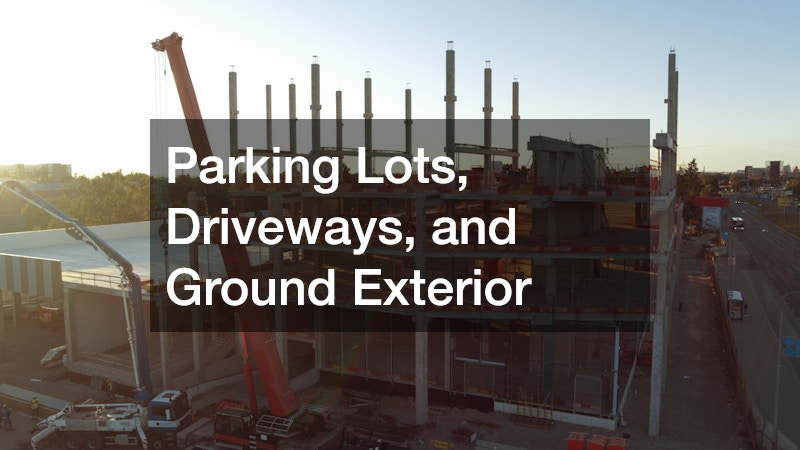
The exterior grounds of a commercial facility create the initial impression for visiting clients, prospective corporate tenants, and daily employees. Parking lots, access roads, loading docks, and pedestrian walkways experience relentless traffic from personal automobiles, delivery trucks, and heavy material handling equipment. Over time, physical weight, chemical leaks, UV exposure, and seasonal freeze-thaw cycles weaken underlying asphalt and concrete surfaces.
Conducting monthly inspections across all outdoor paved areas helps maintenance teams spot surface cracks, deep potholes, oil degradation, and standing water issues. Scheduling timely repair work through professional commercial paving services seals minor surface cracks before moisture penetrates the underlying sub-base layer. Periodic sealcoating and structural asphalt patching prevent costly full-depth pavement replacements while maintaining a smooth, safe driving surface for all site visitors, corporate fleets, and delivery drivers. Scheduled asphalt maintenance ensures long-term resilience across high-stress zones.
Exterior navigation and traffic control require equal attention to ensure safe vehicle movement across the entire property footprint. Installing and maintaining clear directional indicators, durable parking stop blocks, and custom signs keeps traffic flowing safely around delivery bays, handicapped spaces, and main customer entrance zones. Well-placed outdoor signage also minimizes traffic confusion, enhances perimeter safety, and significantly reduces the risk of minor vehicular accidents on site.
Heavy Electrical Systems and Power Distribution
A reliable electrical supply network is essential for powering modern commercial lighting, HVAC fans, office technology, security systems, and industrial production machinery. Heavy electrical infrastructure operates under heavy daily power loads, making regular thermal inspections, circuit balancing, and component testing crucial for preventing unexpected power outages or dangerous electrical fires.
Qualified building technicians should conduct routine visual checks of main breaker panels, distribution transformers, sub-panels, and emergency generator systems. Hiring an experienced electrical contractor to conduct infrared thermography scans identifies hidden electrical hotspots caused by loose terminal connections or overloaded circuits long before component failure happens. Regular breaker testing, load balancing, and arc-flash hazard assessments keep the facility grid operating safely, efficiently, and in full compliance with local building codes. Maintaining power stability protects sensitive digital systems and databases.
Operational success extends beyond physical building systems into online tenant acquisition and digital asset management strategies. Building management companies that showcase their property upgrades online often rely on a specialized seo service to improve search engine rankings, attract high-value enterprise tenants, and maintain high occupancy rates across their commercial real estate portfolios in competitive regional markets.
Water Supply Networks and Waste Line Maintenance
Commercial plumbing infrastructure operates under continuous hydrostatic pressure to supply clean water, manage waste disposal, and service specialized equipment across high-occupancy commercial buildings. Undetected pipe leaks, backflow preventer failures, or main drain blockages can cause severe structural water damage, costly operational delays, and severe health code violations.
Routine maintenance protocols must include testing water pressure regulators, inspecting backflow assemblies, and checking commercial water heating tanks for sediment accumulation. Engaging a certified commercial plumber for comprehensive bi-annual inspections ensures that main water supply lines, multi-stall restrooms, and industrial drain networks function smoothly without unexpected disruptions. Promptly repairing leaking valves, failing fixtures, and slow drains preserves water and prevents structural degradation beneath floor slabs. Regular fluid assessments maintain optimal water flow throughout commercial networks.
Proper fluid management also extends to mechanical cooling systems that regulate indoor environmental conditions. Coordinating plumbing maintenance alongside scheduled commercial air filter replacement tasks ensures that condensate drain lines attached to air handling units remain clear of algae and debris, preventing accidental water overflow into office ceilings, light fixtures, and wall cavities.
HVAC Operations and Indoor Air Quality
Maintaining optimal indoor air quality and precise climate control directly impacts employee productivity, tenant satisfaction, and energy efficiency. Heating, ventilation, and air conditioning equipment accounts for a substantial percentage of a commercial property’s overall utility expenditures, making regular mechanical maintenance essential for controlling operating costs.
Facility managers must establish strict operational schedules for inspecting air handlers, belt drives, fan motors, compressor units, and cooling towers. Routine commercial air filter replacement plays a pivotal role in maintaining proper system airflow, protecting delicate internal cooling coils from dust buildup, and lowering energy consumption across the entire HVAC system. High-efficiency filters trap airborne particles, allergens, and dust, ensuring a healthy indoor breathing environment for all occupants. Scheduled mechanical tuning optimizes performance and lowers monthly expenditures.
Pairing mechanical air filtration with structured housekeeping schedules improves overall indoor environmental standards throughout the building. Coordinating air filter updates with professional commercial cleaning teams keeps common corridors, breakrooms, executive suites, and office spaces free from dust accumulation, promoting a sanitary environment for building occupants and daily visitors.
Janitorial Standards and Workplace Hygiene

A clean, meticulously maintained building interior boosts occupant morale, enhances company reputation, and protects interior building materials from premature wear and tear. High-traffic interior areas such as entrance lobbies, elevator cabs, public restrooms, and shared corridors demand consistent daily and weekly sanitation schedules to maintain high presentation standards.
Implementing standardized cleaning checklists ensures that janitorial crews address floor care, glass surfaces, trash removal, and high-touch points like door handles, elevator buttons, and stair handrails. Contracting with a reliable commercial cleaning provider delivers consistent hygiene standards using industrial-grade sanitation equipment and effective, non-toxic cleaning products. Maintaining clean interiors preserves carpet fibers, tile grout, and wall finishes over many years of heavy daily use. Consistent interior hygiene practices reduce absenteeism and maintain appearance standards.
Specialized flooring materials in mechanical equipment rooms, service corridors, and industrial work bays require advanced protective treatments to handle heavy machinery, foot traffic, and chemical spills. Applying professional epoxy floor services creates a seamless, durable, and chemical-resistant floor finish that resists heavy impacts, seals concrete, and simplifies daily floor washing protocols for maintenance staff.
High-Durability Flooring and Surface Upgrades
Interior floor surfaces in commercial facilities face continuous wear from heavy foot traffic, rolling inventory carts, and machinery moving through main corridors and production zones. Unprotected concrete floors can chip, crack, form dust, and absorb industrial fluids, creating persistent safety hazards and unappealing visual conditions.
Facility managers often turn to specialized surface coatings to restore concrete slabs and significantly enhance physical durability. Professional epoxy floor services offer high-performance resin coatings that bond directly to concrete, providing superior chemical resistance, slip resistance, and a glossy, professional finish. These seamless floor surfaces prevent liquid absorption and simplify routine janitorial washing across warehouse, laboratory, and showroom environments. Investing in resilient floor finishes protects concrete integrity and minimizes ongoing expenses.
Strategic surface upgrades are frequently integrated into broader facility modernizations and structural space restructurings. Coordinating floor resurfacing alongside major commercial construction updates ensures that interior finishes align with new room configurations, upgraded utility layouts, and updated physical safety guidelines across the property.
Property Safety, Wayfinding, and Visual Branding

Clear visual communication within a commercial complex ensures smooth vehicle and pedestrian navigation, supports safety protocols, and reinforces brand identity. Property managers must routinely evaluate both internal and external signage to verify that all directional indicators, emergency exit paths, and ADA-compliant building markers remain fully visible, illuminated, and legible.
Updating site signage is essential when tenant configurations change or when exterior facades undergo architectural modernizations. Working with experienced signage manufacturers to produce custom signs ensures that directory boards, room identifiers, and exterior monument displays match corporate branding guidelines while complying with local municipality sign codes. Legible signage helps visitors, delivery drivers, and emergency responders navigate the campus without confusion. Clear architectural signage systems reduce navigation confusion and reinforce brand identity.
Exterior signage maintenance goes hand-in-hand with keeping adjacent walkways, driveways, and access roads in top condition. Partnering with commercial paving services to repair surrounding curbing, re-stripe crosswalks, and restore directional pavement arrows ensures that physical access points seamlessly guide traffic toward signed entrances, loading areas, and customer parking spaces.
Mechanical Safety and Utility Reliability
Ensuring that core utility infrastructure meets modern safety standards requires continuous operational monitoring, scheduled physical testing, and professional servicing. Mechanical rooms housing heavy boilers, main electrical panels, and primary water supply feeds demand strict security access controls, clear physical clearances, and regular safety audits.
Electrical distribution equipment must be kept strictly dry and free from dust accumulation, thermal stress, and physical obstruction. Scheduling a certified electrical contractor to perform scheduled load testing and thermal imaging prevents sudden circuit overloads and protects sensitive digital equipment throughout the property. Documented electrical inspections are also necessary to satisfy corporate insurance requirements and regional safety regulations. Comprehensive documentation satisfies municipal safety inspections and insurance audits.
Similarly, primary water supply lines, fire sprinkler connections, and waste disposal lines require routine professional attention. Scheduling a qualified commercial plumber to inspect pressure relief valves, test backflow preventers, and flush commercial water heaters prevents sudden equipment failures and keeps vital utility systems fully compliant with municipal safety standards.
Digital Visibility and Tenant Occupancy Strategy
Maintaining physical facility standards is directly linked to sustaining high tenant occupancy rates and maximizing long-term rental revenue. Commercial real estate leaders must combine physical property care with active digital marketing strategies to showcase available leasing space to prospective corporate tenants.
To reach corporate clients actively searching online for high-quality commercial space, real estate management firms leverage professional seo service strategies. Optimizing building listing websites, creating virtual property tours, and publishing detailed site specifications attract high-quality business tenants who value well-managed commercial real estate. Strategic digital visibility ensures that physical property investments yield consistent, long-term rental income and high investment returns over time.
A property’s physical reputation online is heavily influenced by visible building care, including the condition of prominent exterior structures. Hiring reputable commercial roofing contractors to maintain pristine roof lines, install clean flashing, and keep architectural features in peak condition provides visual proof of quality management during aerial photography shoots and prospective tenant site visits.
Maintaining a commercial building in top operational condition is an ongoing, dynamic process that rewards organization, consistency, and professional vendor partnerships. By following a systematic maintenance master checklist, facility managers protect their physical assets, minimize operational risk, and create an efficient environment that attracts and satisfies premium commercial tenants.