
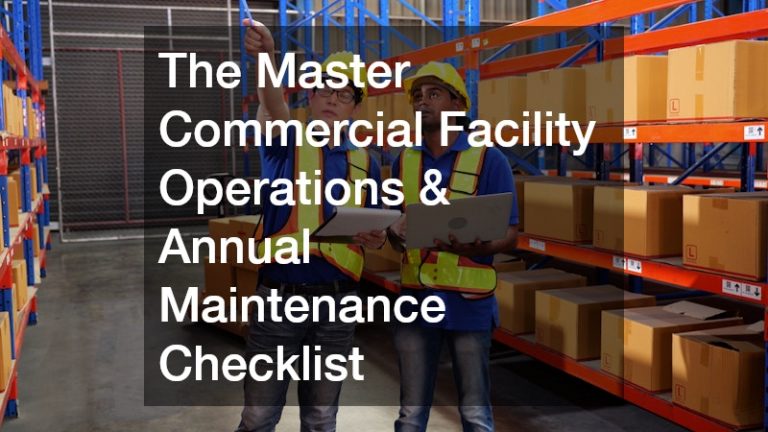
Commercial real estate management requires a precise balancing act between short-term tenant demands and long-term asset value preservation. Property managers, building engineers, and facility directors must constantly balance routine maintenance schedules, operational budgets, and unexpected emergency repairs across complex physical environments. When daily operational fires consume available staff time, proactive upkeep often takes a back seat to urgent structural or mechanical fixes.
However, operating in a purely reactive state carries severe financial penalties. Neglected equipment fails prematurely, energy bills creep upward, and minor building flaws morph into costly structural emergencies over time. A structured annual maintenance checklist transforms facility operations from unpredictable daily firefighting into a well-managed, efficient business routine.
By organizing facility operations into clear quarterly and seasonal milestones, property leaders protect physical assets, reduce emergency capital expenditures, and maintain high satisfaction rates among corporate tenants. This guide outlines the essential components of a master commercial facility checklist, detailing practical strategies for managing every layer of a modern commercial property effectively.
Creating a Proactive Facility Management Framework
A successful facility management strategy relies on clear scheduling, detailed asset tracking, and reliable vendor partnerships. Facilities vary widely in size and structural complexity, but every commercial property benefits from moving away from ad-hoc maintenance toward scheduled inspections. Establishing standard operating procedures allows management teams to identify minor mechanical or material degradation before it escalates into costly operational downtime.
Building managers should begin by categorizing property assets into four core operational areas: indoor environments, structural building envelopes, critical mechanical infrastructure, and exterior grounds. Each category requires its own dedicated inspection frequency, budget allocation, and specialized contractor network.
Indoor environments require consistent daily and weekly attention to maintain health standards and present a professional corporate image. Scheduling a dependable commercial cleaning service keeps high-traffic areas, lobbies, corridors, and office suites sanitary while preserving flooring and interior architectural finishes. Establishing baseline standards for cleanliness prevents long-term wear on interior materials and ensures a healthy working environment for all occupants.
Beyond daily janitorial work, property leaders must conduct thorough quarterly reviews of internal building systems. These reviews should assess common area lighting fixtures, emergency egress pathways, plumbing fixtures, and interior wall surfaces. Keeping detailed written records of every routine inspection helps track component lifespans and simplifies budget forecasting for future capital improvements.
Spring Envelope Inspections and Roof Preservation
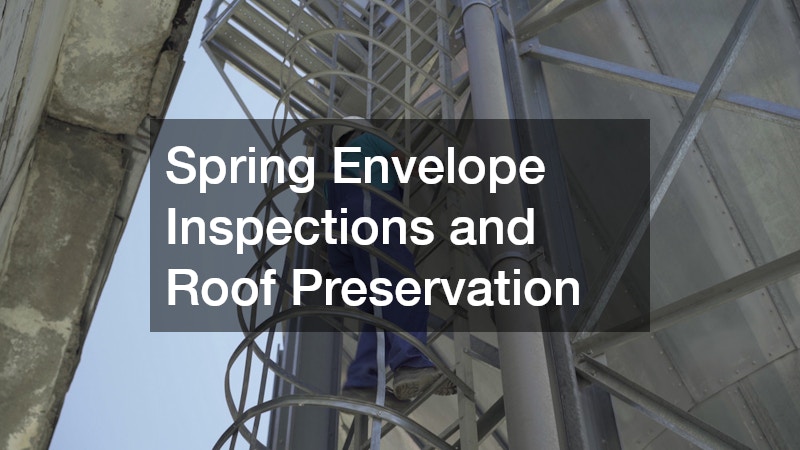
Spring offers the ideal weather window to inspect building exteriors after severe winter weather subsides. Snow accumulation, freeze-thaw cycles, and heavy seasonal winds take a toll on physical structures. The building envelope serves as the first line of defense against the elements, making thorough spring inspections essential for long-term structural integrity.
Roofs require careful visual and technical evaluations at least twice a year. Inspectors should walk the roof perimeter, check flashing around parapet walls, examine expansion joints, and clear all drainage systems. Clogged roof drains or deteriorated seam sealants can cause standing water, which rapidly damages membrane materials and leads to interior water intrusion.
When building engineers discover ponding water, membrane blistering, or degraded perimeter flashing, prompt corrective action prevents minor moisture issues from rotting structural roof decks. Contracting an experienced vendor for commercial roof repair ensures that membrane patches and seam reseals meet strict manufacturer specifications, preserving existing warranties and extending total roof longevity.
Attending to wall masonry, sealants, and windows during the spring season prevents moisture infiltration that could compromise wall insulation or interior drywall. Addressing small cracks or failing caulk joints early keeps repair costs manageable and prevents structural decay over time.
Harnessing Renewable Power and Solar Array Upkeep
Modern commercial facilities increasingly rely on renewable energy infrastructure to offset rising utility expenditures and meet corporate sustainability targets. On-site solar power systems represent significant capital investments that require ongoing care to operate at peak electrical output.
Rooftop and ground-mounted solar equipment faces continuous exposure to environmental hazards, dust accumulation, wind loads, and thermal expansion. Annual solar maintenance should include visual inspections of mounting hardware, electrical wiring conduits, junction boxes, and inverter performance metrics. Soiled panel glass reduces energy conversion efficiency, while loose mounting hardware poses structural risks during severe wind events.
Building engineers should schedule professional cleanings and electrical diagnostic checks for commercial solar panels every spring or early summer. Technicians verify that string inverters operate within design parameters, clear accumulated dirt or bird droppings from panel surfaces, and check for micro-cracks in photovoltaic cells.
Integrating renewable hardware checks into the master facility checklist ensures optimal power generation throughout the year. Regular monitoring protects system returns, keeps operational costs predictable, and prevents unexpected downtime in clean power generation.
Summer Climate Control and Air Quality Optimization

Summer puts intense demands on commercial climate control systems. High ambient outdoor temperatures force cooling equipment to run near maximum capacity for long stretches, exposing weak components and inadequate maintenance practices. A comprehensive cooling audit ahead of hot weather prevents unexpected system failures during peak summer heat waves.
HVAC maintenance must go beyond simple air filter changes. Technicians should clean condenser coils, check refrigerant levels, inspect compressor belts, evaluate blower motor amp draws, and test electronic control units. Dirty coils force compressors to work harder, increasing energy consumption and accelerating component failure.
Property managers should partner with qualified technicians to perform commercial HVAC service and repairs before the summer season peaks. Routine servicing includes balancing air handling units, testing economizers, clearing condensate drain lines, and verifying zone thermostat accuracy throughout the building.
Properly balanced heating and cooling systems maintain comfortable indoor working temperatures while reducing monthly energy expenses. High indoor air quality also boosts tenant satisfaction and reduces health-related absenteeism across corporate office environments.
Electrical Grid Health and Infrastructure Audits
The electrical distribution network serves as the circulatory system of any commercial building. Switches, transformers, panelboards, and circuit breakers work continuously under heavy electrical loads. Because electrical failures pose significant fire hazards and operational risks, routine electrical testing is critical for facility safety.
Annual electrical maintenance should include infrared thermography inspections of main distribution panels and switchgear. Thermal imaging reveals loose electrical connections, unbalanced circuit loads, and overloaded breakers that are completely invisible to the naked eye. Identifying hot spots early allows facilities teams to torque connections and rebalance loads before equipment fails.
Facility directors must hire a certified commercial electrician to perform high-voltage checks, test emergency backup generators, and inspect grounding systems thoroughly. Electrical specialists verify that safety breakers trip within set tolerances, emergency lighting battery packs function correctly, and main service panels meet current safety standards.
Proper electrical maintenance mitigates operational downtime, protects expensive office technology, and ensures full compliance with local municipal safety codes and local fire standards.
Telecommunications, Data Cabling, and Network Upgrades

Modern commercial facilities depend entirely on stable, high-speed digital networks. Building automation systems, electronic access controls, security cameras, and corporate tenant networks all rely on robust telecommunications infrastructure. Physical cabling and network hardware require structured maintenance to avoid bandwidth bottlenecks or network outages.
Data closets and main distribution frames require controlled temperature, low humidity, and orderly cable management. Loose patch cables, accumulated dust on network switches, and overheating server racks can degrade signal quality and lead to unexpected network drops. Annual reviews should assess network rack cooling, backup battery units, and physical security measures around data hubs.
When expanding fiber optic networks or integrating multi-building network setups, sourcing enterprise-grade hardware is critical. Working directly with an established fiber multiplexers seller ensures that property managers acquire compatible optical hardware capable of handling high bandwidth throughput across complex corporate networks.
Upgrading network hardware and maintaining orderly data closets safeguards building automation systems, supports tenant technology requirements, and provides a solid foundation for future smart-building technologies.
Autumn Entryways and Loading Bay Maintenance
Autumn is the ideal time to focus on building entry points, loading bays, and motorized access gates before cold weather sets in. Loading docks experience heavy physical wear from daily freight operations, forklifts, and delivery trucks. Failure at a busy loading dock can disrupt logistics and halt core business activities.
Docks require comprehensive inspections of dock levelers, bumper pads, door seals, and motorized overhead doors. Technicians should check safety sensors, lubricate counterweight springs, test roller tracks, and inspect lift cables for fraying. Cold winter air entering through misaligned dock doors drives up building heating costs significantly.
Property managers should schedule specialized technicians for commercial overhead door repairs during autumn maintenance rounds. Resolving track misalignments, replacing worn weather stripping, and tuning motor tensioners ensures smooth operation throughout the winter months.
Secure, well-maintained access points protect warehouse staff, lower building draft infiltration, and maintain efficient operational flows for logistics tenants.
Exterior Grounds, Asphalt, and Parking Surface Maintenance

A commercial facility’s exterior parking areas create the first impression for visiting clients, tenants, and local inspectors. Pavement surfaces endure constant vehicle traffic, fuel spills, thermal expansion, and water infiltration. Without regular care, asphalt develops cracks, potholes, and surface deterioration that present trip hazards and expensive repaving costs.
Annual surface maintenance begins with deep cleaning and surface preparation. Accumulated gravel, trash, and vehicle fluid deposits erode asphalt binders over time. Regular cleaning keeps drainage inlets clear, preventing standing water from weakening the pavement sub-base beneath the asphalt.
Engaging a reliable local parking lot sweeping service keeps driving surfaces clean, highlights emerging asphalt cracks, and prevents debris from entering storm drains. Clean parking surfaces reflect well on property management standards and extend the working lifespan of asphalt paving.
Following surface cleaning, maintenance teams should seal asphalt cracks, apply protective sealcoats, and repair potholes before freezing temperatures turn small cracks into major surface failures.
Traffic Safety, Directional Marking, and Compliance Signs
Safe traffic movement across commercial parking lots requires clear markings, visible directional indicators, and regulatory signage. Faded lane lines, obscured stop signs, or damaged accessibility markers increase collision risks and expose property owners to legal liability.
Facilities teams should audit parking areas annually for visual clarity and regulatory compliance. Checks should ensure that speed limit markers, pedestrian crosswalks, directional arrows, and handicapped spaces are clearly visible and painted according to legal standards. Signs damaged by delivery vehicles or weather exposure should be replaced promptly.
Property owners should regularly audit and refresh parking lot signs to maintain safe traffic flow and remain fully compliant with regional accessibility laws. Bright, highly visible signage guides visitors safely through the property and lowers liability risks for property management.
Clear traffic indicators reduce parking lot accidents, lower administrative friction during peak business hours, and improve overall tenant safety across multi-tenant commercial parks.
Winter Preparation and Ice Risk Mitigation
Winter brings unique operational challenges, particularly in regions prone to heavy snowfall and ice storms. Unmanaged snow and ice create immediate safety hazards for pedestrians and drivers, while threatening building access and timely business operations. Winter readiness requires advance planning, early contractor agreements, and proper material staging.
Facilities directors must establish clear snow management protocols long before the first winter storm arrives. Planning involves designating specific areas for snow storage, mapping out priority clearing routes for emergency vehicles, and identifying sensitive landscape areas that require protection from de-icing chemicals.
Contracting professional commercial snow plowing services ensures that snow removal crews respond promptly during winter weather events. Professional contractors clear driving lanes, salt main walkways, and keep loading zones accessible, minimizing business interruptions during severe weather.
Pairing reliable snow clearing with proactive site management prevents slip-and-fall injuries, protects exterior landscaping, and keeps commercial operations running smoothly through the winter season.
Building a Sustainable Multi-Year Operations Strategy
Executing a master commercial facility maintenance checklist requires strong organizational commitment, transparent communication, and reliable vendor relationships. By dividing tasks into predictable seasonal phases, property managers can spread operational costs evenly across the fiscal year and eliminate surprises during quarterly budget reviews.
Creating detailed digital logs for every inspection, service call, and repair provides historical data that simplifies long-term planning. Knowing the exact age, service history, and performance metrics of critical infrastructure allows facility leaders to plan major capital replacements years in advance, avoiding emergency financing costs.
Ultimately, a proactive approach to commercial property operations yields tangible financial returns. Well-maintained buildings suffer fewer system outages, lower energy costs, and higher tenant retention rates. Facility managers who execute systematic maintenance checklists protect physical property investments while building safe, efficient environments for commercial occupants.