If you have watched the stock market lately, you may have noticed something unexpected: money is flowing into decidedly unglamorous corners of the economy. Warehouses, factories, and heavy machinery are attracting the kind of attention once reserved for tech startups. For everyday investors trying to make sense of where to put their money, understanding why industrial equipment and infrastructure have become so appealing can help you make smarter, more informed decisions. This article breaks down the trends, technologies, and practical realities driving this shift, without the jargon.
Automation Upgrades Are Reshaping Factory Floors
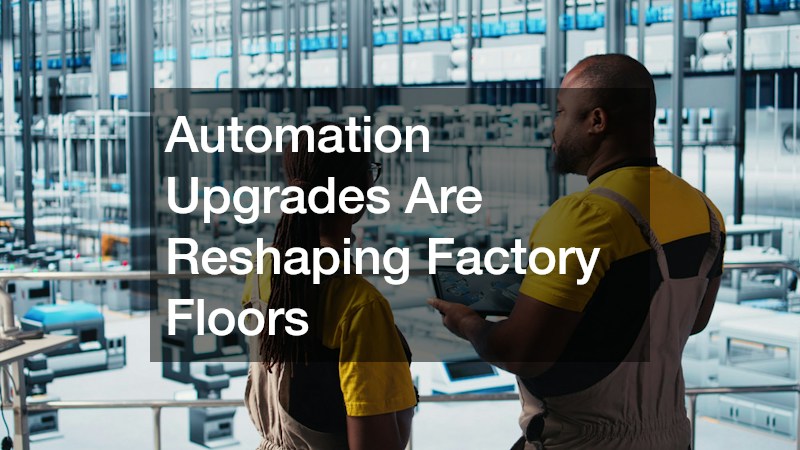
Manufacturers across the country are pouring capital into automation, and one of the clearest examples is the rise of robotic welding on production lines. These systems allow companies to produce stronger, more consistent welds at a pace no human crew could match, which directly improves output and reduces costly errors. Automotive and heavy equipment manufacturers in particular have leaned into this shift, with some plants reporting weld cycle times cut by more than half after installing robotic arms. Beyond speed, the appeal lies in precision and repeatability. A robotic welder can execute thousands of identical joints per shift without the fatigue-related inconsistencies that naturally affect human workers, which translates into fewer warranty claims and less scrap material. That kind of quality control is difficult to achieve at scale through manual labor alone, no matter how skilled the workforce. Investors have taken notice because factories that adopt this kind of automation tend to see measurable gains in efficiency and lower long-term labor costs. The upfront investment in robotics and integration can run into the hundreds of thousands of dollars per line, but many manufacturers recoup that cost within a few years through reduced downtime, lower injury rates, and less reliance on scarce skilled labor. This trend also signals something broader to capital markets: companies willing to modernize their equipment are often better positioned to weather labor shortages and rising wage pressures. That resilience makes automated facilities more attractive acquisition targets and a safer bet for long-term infrastructure-focused portfolios.
This shift is not just about replacing workers; it is about making existing operations more competitive on a global scale. Robotics arms, machine vision systems, and AI-driven quality control now allow a single production line to run with fewer interruptions and less waste than a decade ago. Facilities that once required three shifts of manual inspection can rely on sensors and software to catch defects in real time, cutting costs while improving output consistency. Companies that fail to modernize risk falling behind competitors who can produce goods faster and cheaper. In industries like automotive parts, electronics assembly, and food processing, the gap between automated and non-automated facilities can mean the difference between winning or losing major supply contracts. Even a five to ten percent efficiency gain can determine which supplier a large manufacturer chooses to work with. That competitive pressure is part of why automation-focused equipment makers have become attractive to people looking for steady, long-term growth. Demand for industrial robotics, conveyor systems, and smart sensors tends to hold up even during economic slowdowns, since manufacturers view these upgrades as necessary rather than optional. For investors, that translates into a sector with recurring revenue potential, driven by replacement cycles, software subscriptions, and ongoing maintenance contracts.
Skilled Trades Remain the Backbone of Every Industrial Project
No matter how advanced a facility becomes, it still depends on skilled trades to keep it running. A commercial plumber, for instance, plays a critical role in industrial settings, managing everything from waste line systems to the complex piping networks that support manufacturing processes. These professionals are often called in during new construction, expansions, or emergency repairs, and their expertise directly affects how smoothly a facility operates.
The ongoing shortage of skilled tradespeople has actually made this sector more interesting to investors rather than less. Companies that train, employ, or contract skilled labor efficiently tend to have a real advantage, since demand for their services rarely slows down. This dynamic has turned what used to be an overlooked part of the economy into a point of genuine interest for people evaluating industrial growth.
Sustainable Material Recovery Is Becoming a Core Business Practice
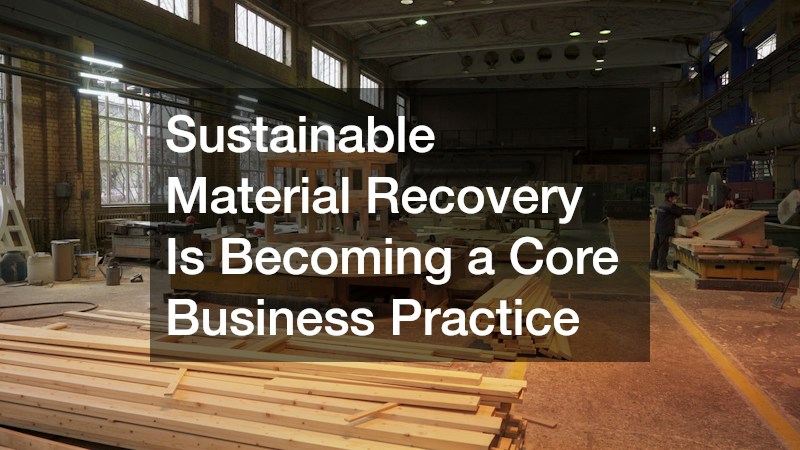
Construction and demolition waste used to be treated as an afterthought, but that has changed dramatically. Facilities that specialize in c d recycling now play a central role in helping construction firms cut disposal costs while recovering valuable materials like metal, concrete, and wood. Depending on the project, these facilities can divert anywhere from 50% to over 90% of debris away from landfills, which matters both financially and environmentally for firms operating on tight margins. This shift has turned what was once a landfill problem into a legitimate revenue stream for companies willing to invest in the right sorting and processing equipment. Crushed concrete gets a second life as aggregate for road base, scrap metal feeds directly into steel mills, and reclaimed wood finds buyers in mulch production or biomass energy. Even drywall and asphalt shingles are increasingly processed for reuse rather than dumped. For investors, the appeal lies in the equipment layer of this supply chain. Magnetic separators, trommel screens, and mobile crushers are seeing steady demand as more contractors look to process material on-site rather than pay hauling and tipping fees. Companies that manufacture or lease this machinery are benefiting from a market where regulatory pressure and cost incentives now point in the same direction.
Regulatory pressure and corporate sustainability goals are accelerating this trend even further. Many municipalities now require that 50% to 75% of construction and demolition debris be diverted from landfills, and some jurisdictions tie permit approvals directly to proof of compliance. These mandates increase demand for recycling infrastructure, from sorting facilities to equipment that processes concrete, metal, and asphalt into reusable material. Corporate commitments are reinforcing this shift as well. Large developers and REITs increasingly publish ESG targets that include waste diversion rates and embodied carbon reductions, which means their contractors and suppliers must demonstrate similar practices to win bids. This creates a ripple effect through the supply chain, pushing smaller operators toward recovery-focused equipment even when local regulations are less strict. As more developers commit to greener building practices, the businesses that support this recovery process are positioned for steady, long-term relevance. Companies that invest early in crushing, screening, and material-separation equipment can capture this demand while also reducing disposal costs, giving them a dual financial incentive beyond compliance alone.
Understanding Why Equipment Breaks Down Matters More Than Ever
When a piece of industrial equipment fails unexpectedly, the financial impact can ripple through an entire operation. This is why failure analysis has become such a valuable practice, helping engineers determine the root cause of a breakdown so it does not happen again. Rather than simply replacing a broken part, companies are investing in the diagnostic work needed to understand stress points, material fatigue, and design flaws.
This proactive approach saves money over time and reduces unplanned downtime, which is a major selling point for investors evaluating industrial service companies. Businesses that offer this kind of diagnostic expertise are seen as more resilient, since their value grows alongside the complexity of the machinery they service. As factories rely on increasingly sophisticated equipment, the need for this kind of specialized insight is only expected to grow.
Clean Water Access Is a Growing Priority for Industrial Facilities
Many industrial processes require large volumes of clean, reliably treated water, which has pushed water filtration systems into the spotlight. Facilities in industries like food processing, pharmaceuticals, and electronics manufacturing cannot function without dependable filtration, since even minor contamination can compromise entire production runs. This has created steady demand for companies that design, install, and maintain these systems.
Beyond regulatory compliance, water scarcity concerns in certain regions have made efficient filtration even more important. Businesses that can reduce water waste while maintaining purity standards are seen as forward-thinking and better prepared for future environmental regulations. That combination of necessity and innovation is exactly the kind of stability that tends to catch an investor’s eye.
Heavy Machinery Access Without Full Ownership Is Gaining Popularity
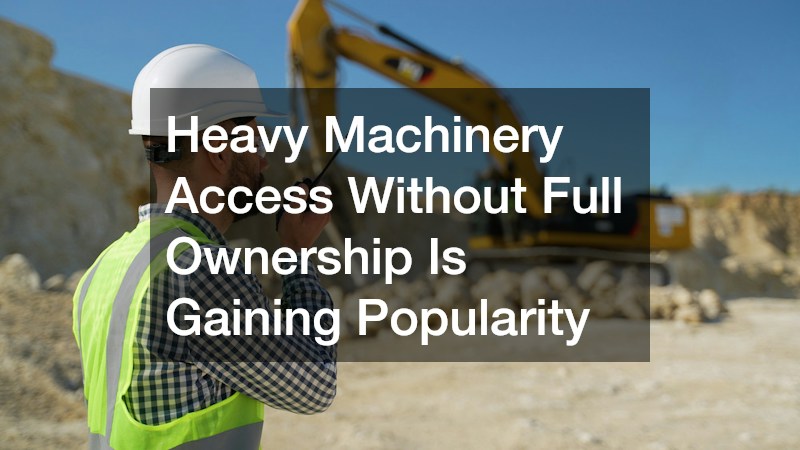
Not every construction or industrial project justifies the cost of purchasing heavy machinery outright, which is why excavator rental has become such a common solution. Renting allows companies to scale their equipment needs up or down depending on project size, avoiding the burden of maintenance and storage costs associated with ownership. This flexibility has made rental companies an increasingly important part of the industrial supply chain.
The rental model also appeals to smaller contractors who need access to specialized equipment without a massive upfront investment. As construction activity fluctuates with the broader economy, rental businesses can adjust their inventory more easily than manufacturers who are locked into long production cycles. This adaptability is a major reason equipment rental companies have become a more prominent part of industrial investment conversations.
Flexible Building Structures Are Changing How Companies Expand
When companies need to expand storage or production space quickly, many are turning to hoop buildings instead of traditional construction. These structures can be erected faster and at a lower cost than conventional steel buildings, making them appealing for agricultural, industrial, and even retail storage needs. Their versatility has made them a popular choice for businesses trying to scale operations without a long, expensive construction timeline.
This trend reflects a broader shift toward efficient, modular construction across many industries. As supply chains become more decentralized, companies need storage and production space that can be deployed quickly in multiple locations. That need for speed and flexibility has made manufacturers and suppliers of these structures an interesting niche within the larger industrial real estate conversation.
Reliable Heating Systems Keep Industrial Operations Running Through Winter
Cold weather can bring even the most efficient facility to a halt if its heating systems fail, which is why furnace repair services remain in constant demand across industrial settings. Many manufacturing processes require consistent temperatures to maintain product quality, meaning downtime caused by a heating failure can be extremely costly. Facilities managers often prioritize preventative maintenance contracts specifically to avoid these disruptions during peak winter months.
The complexity of industrial furnace systems means this is not a job for general contractors, which keeps specialized repair companies in steady demand. As older facilities continue to operate alongside newer, more energy-efficient builds, there will always be a need for technicians who understand both legacy and modern heating technology. This steady, recession-resistant demand is part of what makes this corner of the industrial service sector appealing to long-term investors.
Structural Components Determine the Safety of Every Industrial Building
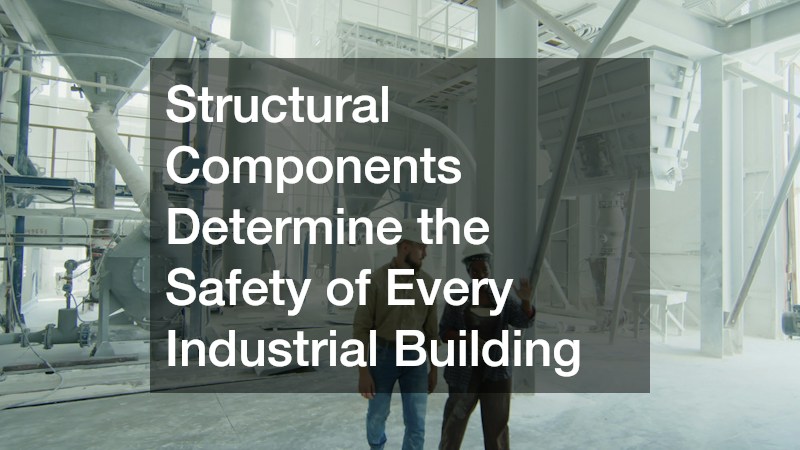
The strength of any large industrial building often comes down to components that most people never think about, including bar joists that support roofing systems across warehouses and manufacturing plants. These lightweight steel trusses allow for longer spans without additional support columns, giving companies more usable floor space. Their design has made them a standard choice in industrial construction for decades. Bar joists typically span anywhere from 20 to 60 feet, depending on the load requirements and the spacing between them, which is why they show up so consistently in distribution centers and production facilities where open floor plans matter. Engineers select joist size and spacing based on factors like roof live loads, snow loads, and the weight of any rooftop equipment such as HVAC units or solar arrays. Getting these calculations right isn’t optional, since an undersized joist system can lead to sagging, deflection, or worse under heavy conditions. Investors evaluating industrial properties often look at the condition and specifications of the structural steel, including joists, because replacing or reinforcing them is costly and disruptive. Corrosion, improper modifications, and outdated designs are common red flags during due diligence. A building with well-documented, code-compliant structural components generally signals lower long-term maintenance risk and stronger resale value.
Beams, columns, trusses, and load-bearing connections are the unglamorous backbone of any warehouse, plant, or distribution center, and their condition directly determines whether a facility remains safe, insurable, and operational. Many industrial buildings in North America were constructed 30 to 50 years ago, often designed for lighter loads than today’s automated equipment, taller racking systems, and heavier machinery demand. As these structures age, steel corrosion, concrete spalling, and fatigue in welded connections become real liabilities rather than theoretical risks. As older industrial buildings age, inspecting and sometimes replacing these structural elements has become a growing part of facility maintenance. Routine structural assessments, often required every three to five years under local building codes, can reveal the need for reinforcement, partial replacement, or full retrofits before a facility can pass insurance or occupancy reviews. This creates predictable, recurring work for engineering and construction firms, not a one-time event tied to a single building cycle. Companies that manufacture or install these components benefit from both new construction demand and the ongoing need to retrofit aging infrastructure. A single manufacturer might supply prefabricated steel beams for a brand-new logistics center while simultaneously fulfilling contracts to reinforce columns in a decades-old manufacturing plant. This diversification across new-build and retrofit markets helps smooth out revenue that might otherwise be tied too closely to construction cycles alone. This dual demand stream is part of why structural component manufacturers remain a steady, if often overlooked, part of the industrial investment landscape. Investors evaluating this space often look at order backlogs, raw material cost exposure, and regional building code trends as indicators of near-term demand stability.
Industrial equipment and infrastructure may not be the flashiest corner of the investment world, but the steady, essential demand behind it is exactly what makes it worth understanding. From automation on the factory floor to the specialized trades and materials that keep facilities running, these are the systems that quietly support everyday life. As you continue researching investment opportunities, consider looking deeper into the companies and services that keep this infrastructure functioning, since their staying power often comes from necessity rather than trend. Taking the time to understand these fundamentals can help you make more confident, informed decisions moving forward.